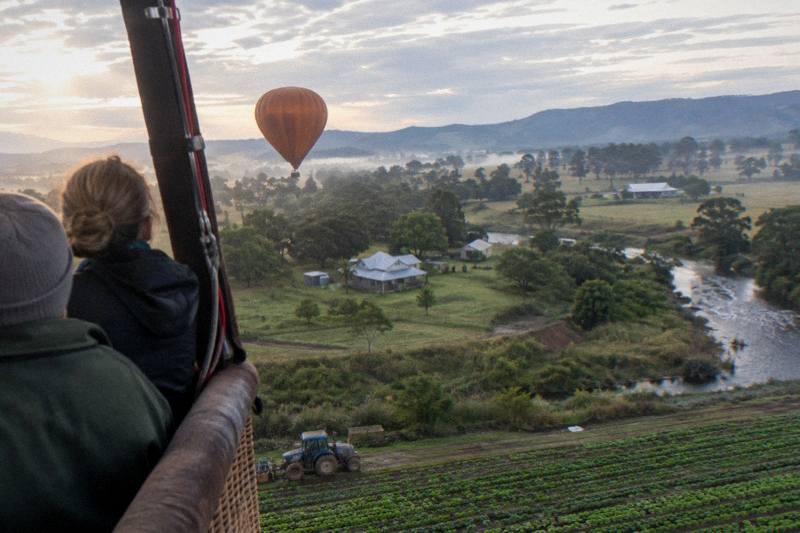
What Are The Odds Of A Hot Air Balloon Accident?
No accident-rate statistics exist for Australian balloon flights. Here is the official ATSB record for the Ipswich region, how CASA regulates balloons, and how to read a safety record before you book.
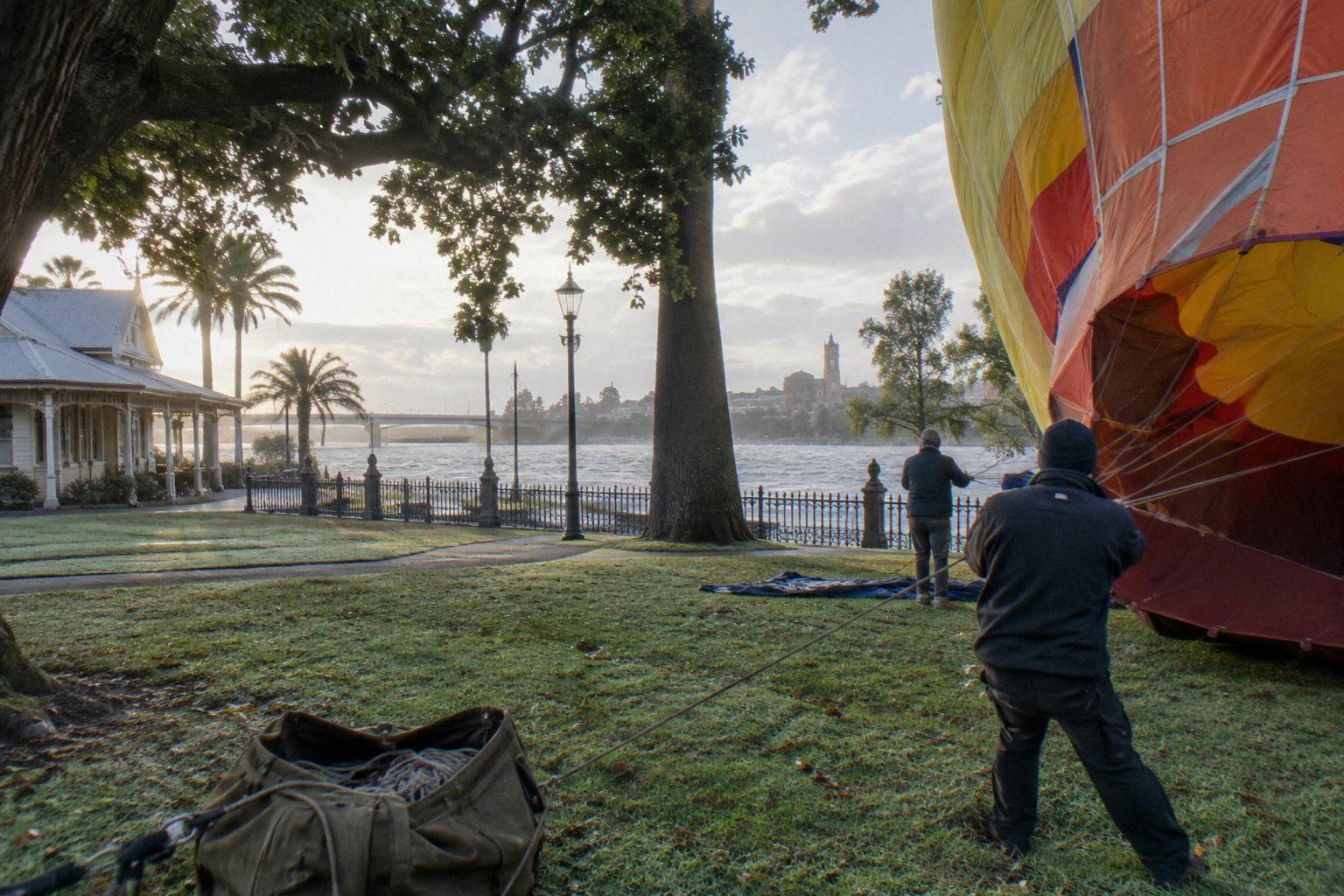
A balloon drifting low over the Bremer valley looks calm to the point of stillness, and that calm is exactly why the accident question comes up so often. The worry is reasonable; the numbers people expect to find are not there. No accident-rate, fatality-rate or per-flight odds figure for hot air balloon rides exists anywhere in the research for this region, and none could honestly be invented. What does exist is a documented official record: one Australian Transport Safety Bureau investigation touching an Ipswich-area flight, a licensing regime under CASA Part 131, and the safety pages each operator publishes. This article reads that record plainly, including the part that is uncomfortable, and shows how to weigh it before booking the Ipswich sunrise flight or any nearby alternative.
No odds figure exists in the research, for this region or for Australia generally, and any number quoted on a travel blog would be invented. The verifiable picture is smaller and more useful: one ATSB investigation involves a balloon operated from the Ipswich area, it found no injuries, and no other ATSB report for this operator was found. That is the whole official record available, and it is a better basis for a decision than a made-up percentage. The sections below unpack each piece: the investigation itself, the regulator, what the operator publishes, and two related questions that often travel with this one.
Start with why the missing statistic matters less than it seems. Accident odds are only meaningful when computed from a large, well-defined pool of flights, and no Australian body publishes a count of commercial balloon passenger flights to divide by. The ATSB investigation record is occurrence-driven: an investigation exists because something happened, not because someone is tallying safe flights. Reading a safety record therefore means reading what was investigated, what was found, and what changed, not scanning for a rate. For a broader look at the regulatory side, the guide to Ipswich Hot Air Balloon flights covers how the local operator structures its programme.
Three flights cover the realistic spread for a reader in this corner of Queensland: the Floating Images flight from Ipswich itself, the Scenic Rim Classic Hot Air Balloon Flight from Canungra or Nerang, and the GoBallooning Gold Coast Flight With Photos, which the booking page rates 4.9 from 707 reviews. Each is a different operator with a different launch area, so the safety question is answered per operator, never in bulk.
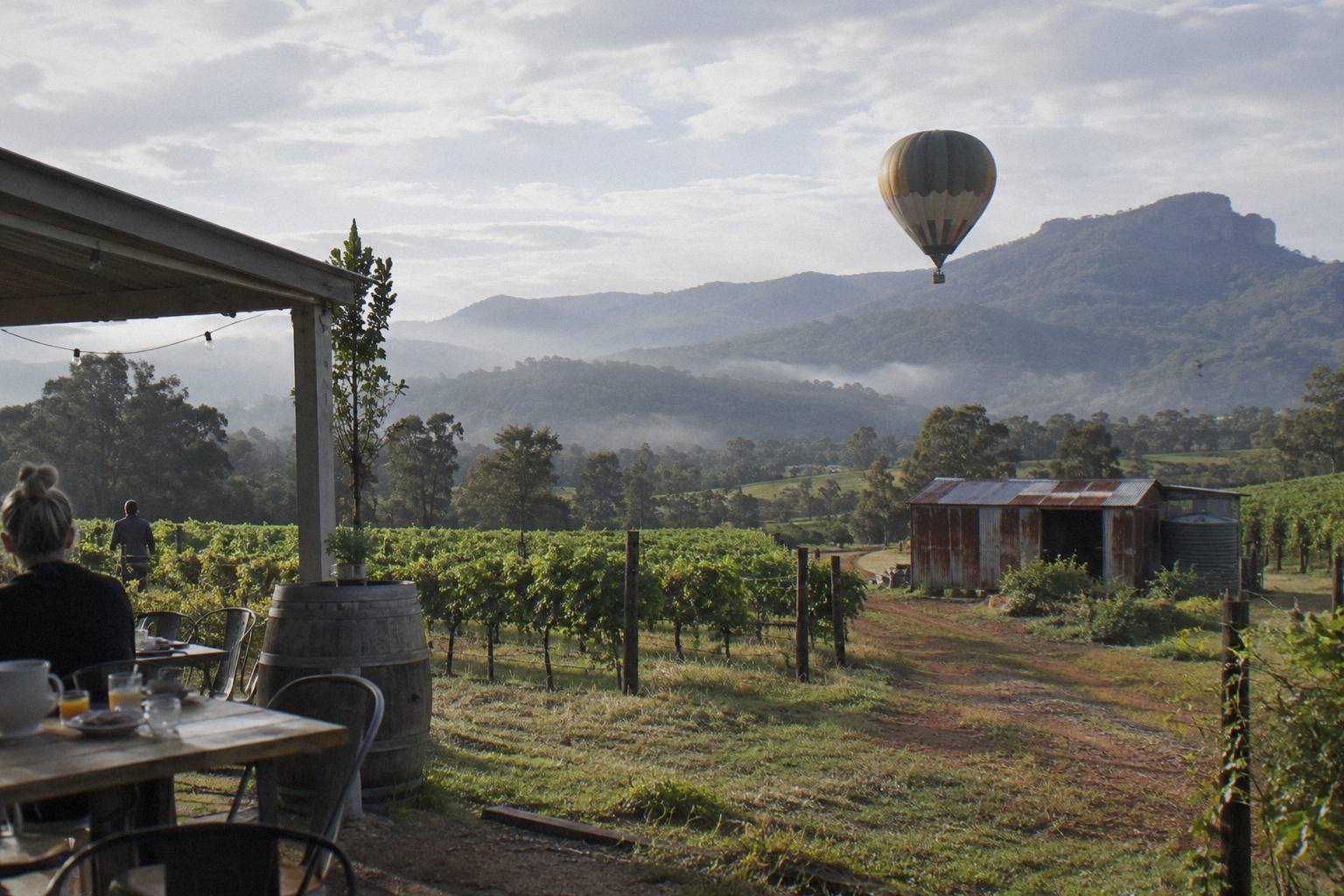
The One Investigation On The Record
The only ATSB investigation involving this operator on record is AO-2021-042, a limited-scope inquiry into a Kavanagh E-240 balloon, VH-LUD, near Yamanto on 8 October 2021. Carrying a pilot and nine passengers on a morning scenic charter, the balloon descended into localised fog with visibility of about 10 metres, struck a tree at about 4 knots, climbed clear and landed uneventfully in a paddock, injuring nobody despite 19 damaged envelope panels. The ATSB finding was that the pilot, contrary to the visual-flight-rules visibility requirement, entered an area of reduced visibility that left no time to avoid the tree. Its safety message urges immediate recovery whenever a balloon enters visibility below VFR minima.
The detail worth holding onto is the context, not the headline. Passengers on that flight met at the Ipswich Visitor Information Centre about 4:25am, were driven to Rosewood Golf Club, and took off about 5:20am; the tree strike came after roughly 55 minutes aloft. The ATSB report also records the pilot held a CASA Commercial Pilot Licence (Balloon) issued in January 1995 with 2,904 total hours at that point. None of that is reassurance or indictment; it is simply the documented chain of events, and it doubles as real evidence that localised fog does occur on Ipswich-region spring mornings. If fog risk shapes your thinking, the guide to how balloon flights handle weather and cancellations works through the operator's weather rules.
| Element | What the ATSB record states |
|---|---|
| Occurrence | Collision with terrain, VH-LUD, near Yamanto, 8 October 2021 |
| Operation | Morning scenic charter, pilot plus 9 passengers |
| Weather | Localised fog, visibility about 10 m |
| Impact | Tree strike at about 4 knots |
| Injuries | None |
| Damage | 19 envelope panels damaged; back in service 7 days later |
| Finding | Pilot entered reduced visibility contrary to the VFR requirement |
| Scope | Limited-scope investigation |
What Else Is On The Record, And What Is Not
No other ATSB occurrence was found for this operator, and no CASA enforcement action surfaced in the research, but "none found" is not the same as a clean record, and no such claim should be made. The registers were not exhaustively searched, and the research itself flags that gap. What can be said plainly is that one investigation exists, it involved no injuries, and the search found no second report. That is the honest shape of the evidence, and it is the kind of statement a booking page will never make for you.
This is where reading a record like an investigator pays off. A single occurrence with a specific, addressed cause, fog penetration, tells you more than a vague reputation ever could. Ask three questions of any operator: has the regulator investigated them, what did the investigation find, and does the operator's own briefing address that finding. The operator of the Ipswich flight publishes a weather-call process, ringing the evening before between 7 and 7:30pm, and states it is legally obliged to cancel when ground wind exceeds 20 km/h, both on its frequently asked questions page. Those are the operational habits that decide whether a marginal morning becomes a flight.
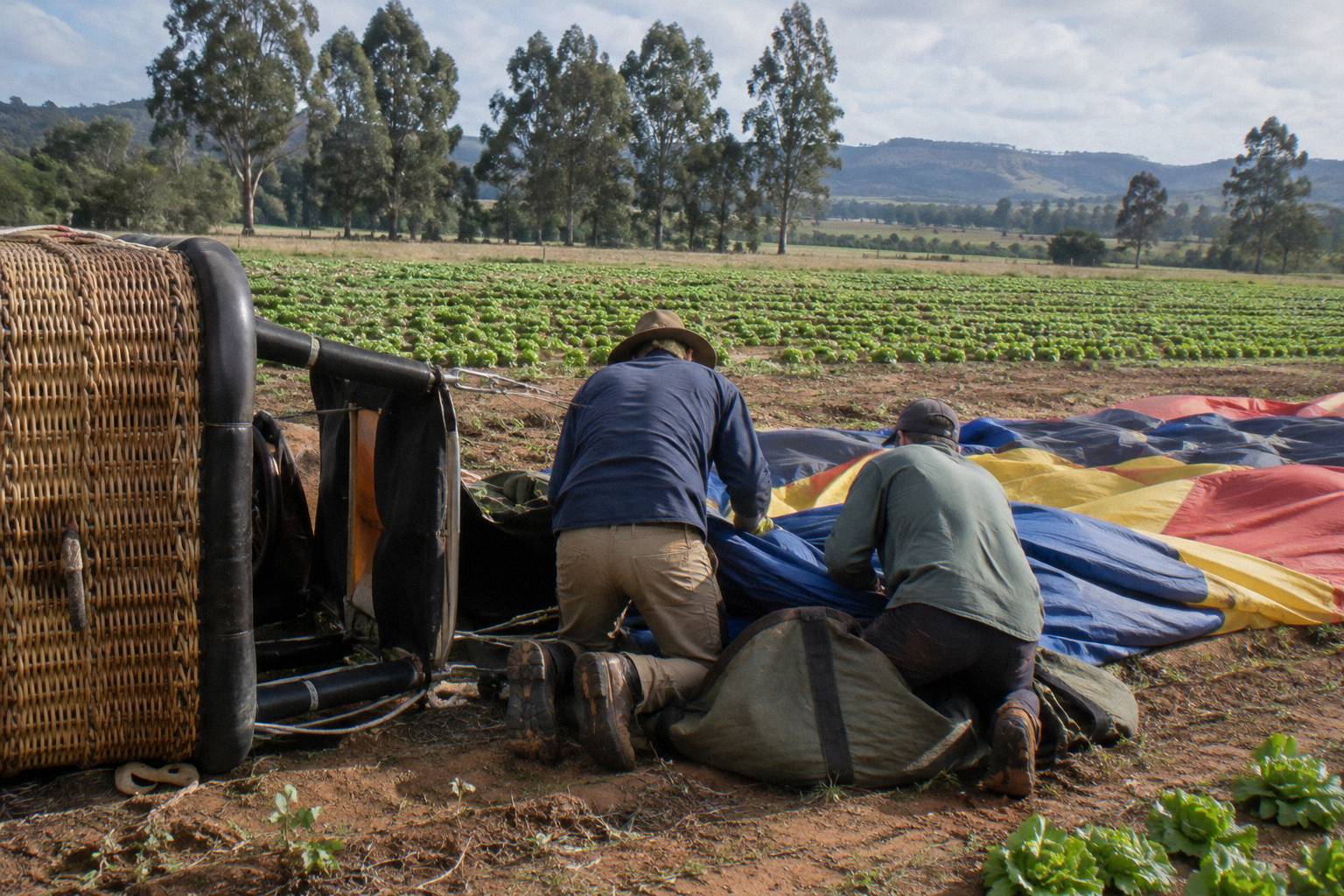
How CASA Regulates Passenger Balloons
CASA regulates commercial passenger hot air balloon flights in Australia through Part 131 of the Civil Aviation Safety Regulations, which requires every operator to hold an Air Operator's Certificate. The operator of the Ipswich flight states it holds Air Operator Certificate "SQ578387" issued by CASA, a claim reported here as the operator presents it. The CASA Part 131 page is the primary source if you want the regulatory framework at first hand.
Licensing matters to your decision in a specific way: an AOC is not a one-off badge. It ties the operator to continuing obligations the regulator can audit, and a certificate number is something you can ask about when you book. The operator also claims a CASA Approved Maintenance Organisation, ATAP accreditation and Sustainable Tourism certification on its about page; those are operator claims, printed here as such, not regulator findings. The pattern to notice is which operators publish their regulatory footing at all. When an operator's site names its certificate and its maintenance arrangements, you have something concrete to verify; when a booking page offers only adjectives, you have nothing.
What The Ipswich Operator Publishes About Safety
The Ipswich operator's published rules cover passenger-side risks: it will not fly passengers who are pregnant at any stage, requires advice for anyone over 85 kg, applies a 50 per cent surcharge from 110 kg and declines flights over 130 kg, and requires every passenger to climb into and out of the basket unaided using two footholds over a side about 1.2 metres high. The operator says its policy follows CASA guidelines and its operations manual. Landings, the operator notes, can be bumpy and the basket may briefly lie on its side.
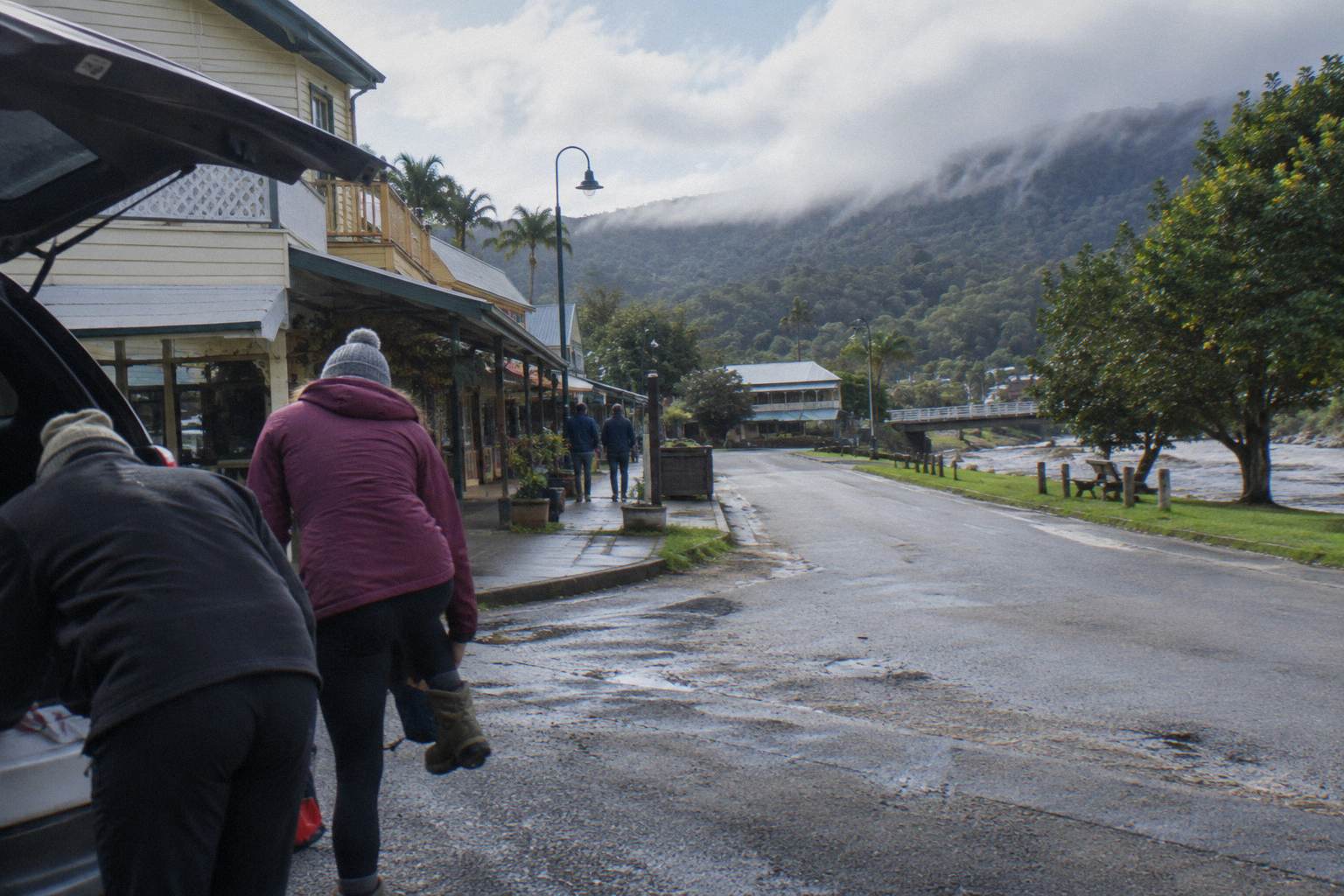
Those rules exist because balloon flight has real physical demands that a plane cabin does not: standing for about an hour, no seats, no walkers or crutches, and no toilets after leaving the meeting point. The weight and mobility limits are not commercial fussiness; balloon loading is a live safety calculation, and the operator asks for estimated weights at least 48 hours before a flight. If you want the full passenger-rules picture, including ages and dress, the guide to who should not ride a hot air balloon covers it in detail, and the question of how many people fit in a hot air balloon explains the small-group format. On cancellation, the operator's terms give customers a A$25 per person fee at 8 to 14 days' notice, A$50 at 72 hours to 7 days, and the full fare inside 72 hours; when the operator itself cancels for weather, the frequently asked questions page says reschedule or refund, and the terms ask you to read the fine print before you rely on any one sentence.
The nearby options deserve the same scrutiny rather than a blanket assumption. The Scenic Rim Classic Hot Air Balloon Flight, run by a different operator out of Canungra or Nerang, confirms each flight the evening before because it is weather dependent, and its booking page offers free cancellation up to 24 hours ahead. It carries no rating, which is itself information: print nothing rather than assume.
What Happens If A Balloon Envelope Tears
No published scenario describes an envelope tear, so the verified record is the only guide: in the one documented Ipswich-area incident, a tree strike damaged 19 envelope panels, yet the balloon still climbed out of the fog and landed in a paddock with no injuries, and envelopes return to service after repair under a maintenance regime the operator says is CASA approved. The structural question is real, but the honest answer lives in maintenance records and the regulator, not in speculation.
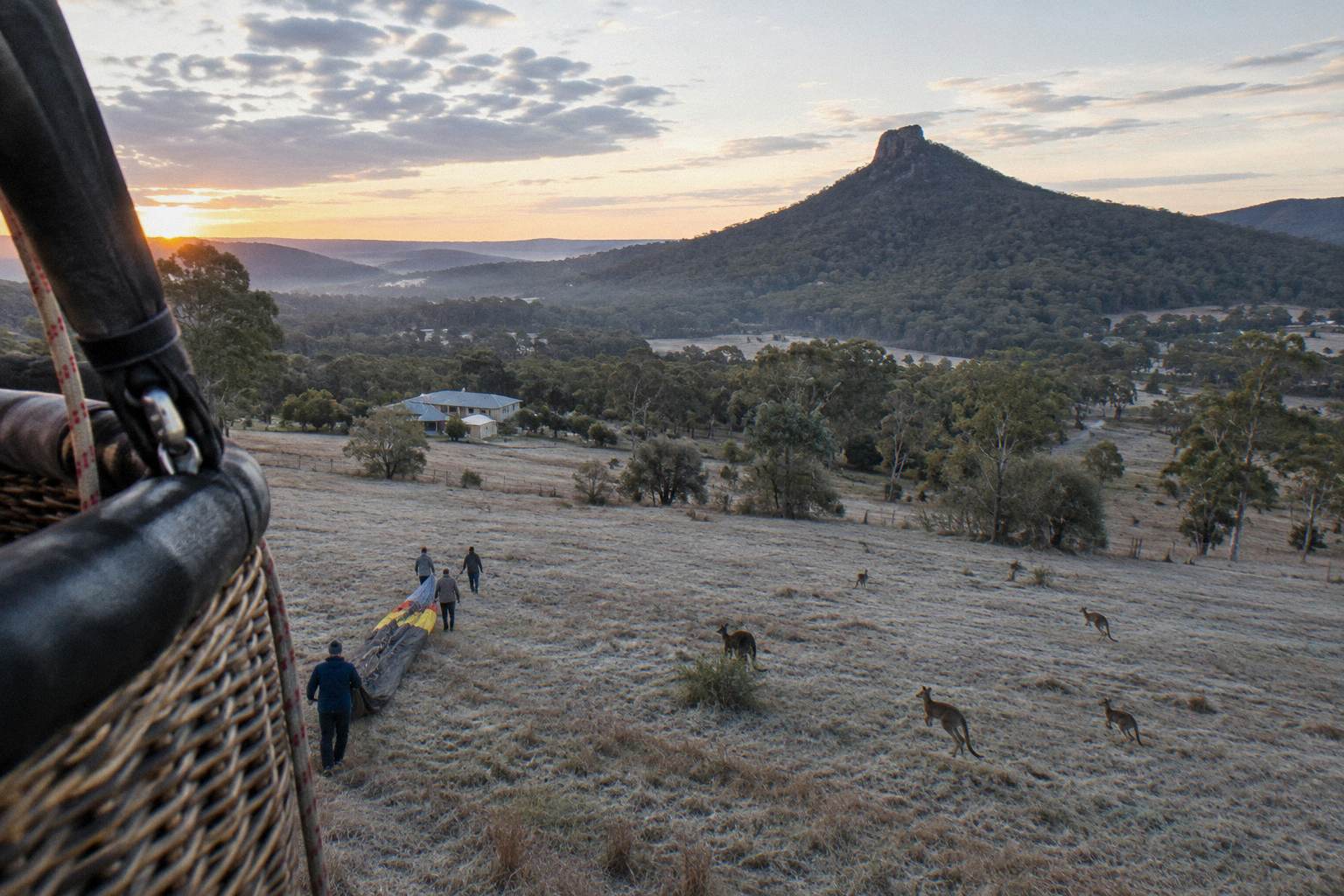
That 19-panel detail is worth sitting with, because it is the only envelope-damage datapoint in the record and it is a survivable one. A modern balloon envelope is a load-sharing structure of many panels and load tapes, which is why a repair, not a write-off, followed. But one datapoint cannot be stretched into a general claim about tear behaviour, and no such claim appears here. The practical version of this question for a buyer is simpler: ask the operator when the envelope was last inspected and by whom. A commercial operator under an AOC must have an answer. The guide to whether hot air ballooning is safe sets out the same evidence base at guide length.
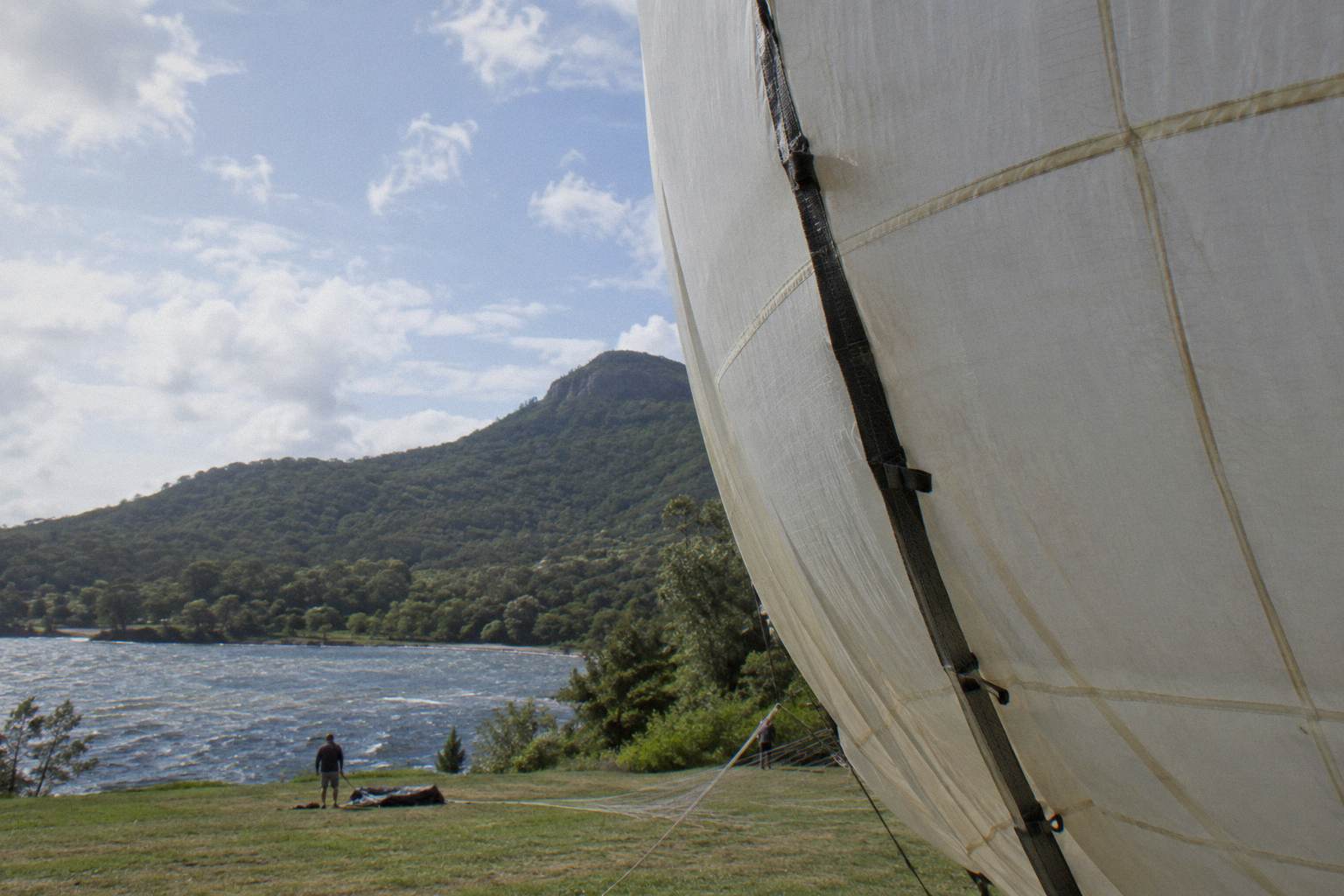
Plane Versus Balloon: Can The Comparison Be Made?
No operator fact, regulator figure or study in this research compares balloon and plane safety, and this page will not declare one mode safer or safest. What the record does allow is structural: both fly under CASA regulation and Air Operator Certificates, balloons fly under Part 131, and the exposure profiles differ, a balloon drifts with the wind at low speed near sunrise while an airliner operates across a wholly different envelope. Without a shared exposure denominator, any headline ranking is fiction dressed as arithmetic.
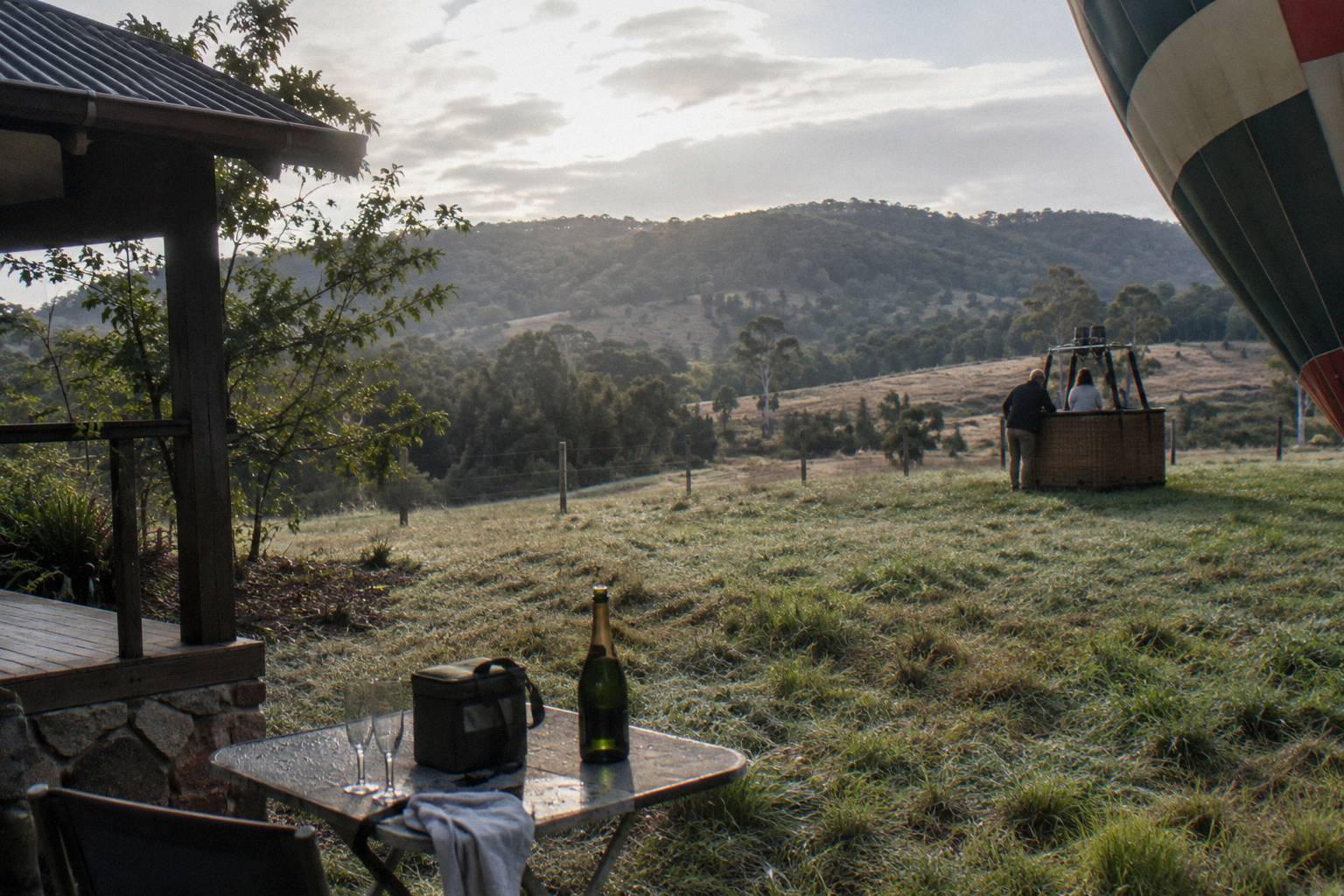
The comparison people usually want is emotional, not statistical. A balloon basket has no seats, no door and no toilet; the experience of risk is closer to standing in a moving truck bed than sitting in a cabin, and the operator's own briefing treats bumpy landings as normal. Against that, the flight is slow, at a height the operator says typically runs from treetop level to 1,000 to 3,000 feet, never above 4,500 feet, over terrain the ground crew follows by road. If the flight still appeals after reading that description, and for most readers it does, the decision then rests on operator-specific evidence: the record, the certificate, the briefing and the weather rules, all covered above. The GoBallooning Gold Coast Flight With Photos runs about four hours with photos included, and its booking page offers free cancellation up to 24 hours before the start time; like every option here, judge it on its own operator's footing.
The practical takeaway is a checklist, not a percentage. Ask when the operator last had a flight cancelled for weather and why; ask for the certificate number and check it against the regulator's framework; read the passenger rules and treat any limit you cannot meet as an answer, not an obstacle to argue with. Operators who answer those questions plainly, like the one publishing its weather rules, certificate reference and weight policy for Ipswich flights, are giving you the only odds that exist in usable form: the odds that this crew will cancel rather than push a marginal morning. That habit, documented across an operator's own pages, is the closest thing to a safety statistic this industry offers.
Common Questions About Hot Air Balloon Accident Odds
What Are The Odds Of A Hot Air Balloon Accident?
No odds figure exists in the research for this region or Australia generally, and any published percentage would be invented. The verifiable record is one ATSB investigation touching an Ipswich-area operator, with no injuries, and no other ATSB report found.
Has Any Balloon Flight From Ipswich Had An Accident?
One ATSB investigation, AO-2021-042, covers a balloon operated by the Ipswich operator near Yamanto on 8 October 2021. It descended into localised fog, struck a tree at about 4 knots and landed in a clear paddock. Nobody was injured.
Who Regulates Hot Air Balloon Flights In Australia?
Commercial balloon flights operate under CASA Part 131 of the Civil Aviation Safety Regulations, and each operator holds an Air Operator's Certificate. The Ipswich operator states its certificate is SQ578387 issued by CASA.
What Happens If A Balloon Envelope Tears?
No operator fact or official source in this research describes a tear scenario, so none is invented. The one documented envelope damage in the record, 19 panels from a tree strike, was repaired and the balloon returned to service seven days later.
Is A Balloon Safer Than A Plane?
No evidence in this research compares the two, and no safer or safest claim is made here. Both operate under CASA regulation, but with different speeds, heights and exposure profiles, and no shared denominator exists to rank them.
When Will A Balloon Flight Be Cancelled For Safety?
The Ipswich operator says it is legally obliged to cancel flights when ground wind is more than 20 km/h on the ground, will not fly in unsuitable weather, and asks passengers to ring between 7 and 7.30pm the evening before for the weather call.