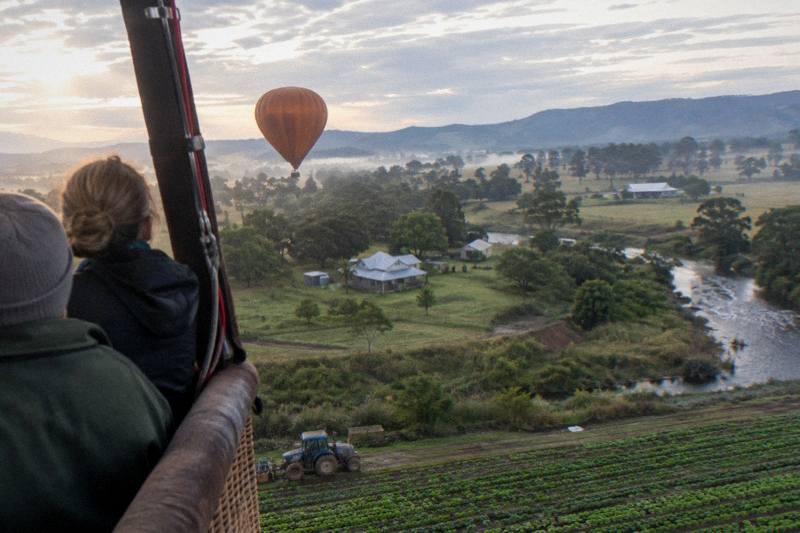
Hot Air Balloon Weather: Wind, Cancellations And Rebooking
Weather decides every hot air balloon flight. Here is how the wind limit works, when you hear the go or no-go call, and what happens to your money either way.
Short answer
The Ipswich operator, Floating Images, says it is legally obliged to cancel when ground wind exceeds 20 km/h, and it confirms flights by phone between 7 and 7.30pm the night before. Operator-cancelled flights get a reschedule or refund. If you cancel, fees run A$25 or A$50 per person depending on notice, or the full fare inside 72 hours.
Every decision in this guide is on the table below, and the wider picture of flying in this region is covered in the Queensland ballooning overview.
What Wind Speed Cancels A Balloon Flight?
The operating limit around Ipswich is 20 km/h of ground wind, stated in the operator's own words: Floating Images says it is "legally obliged to cancel flights when the wind is more than 20 km/h on the ground". That threshold is not a comfort preference. A balloon has no steering wheel and no brakes, so the surface wind at launch, and the forecast wind during the hour in the air, decides whether the day goes ahead at all.
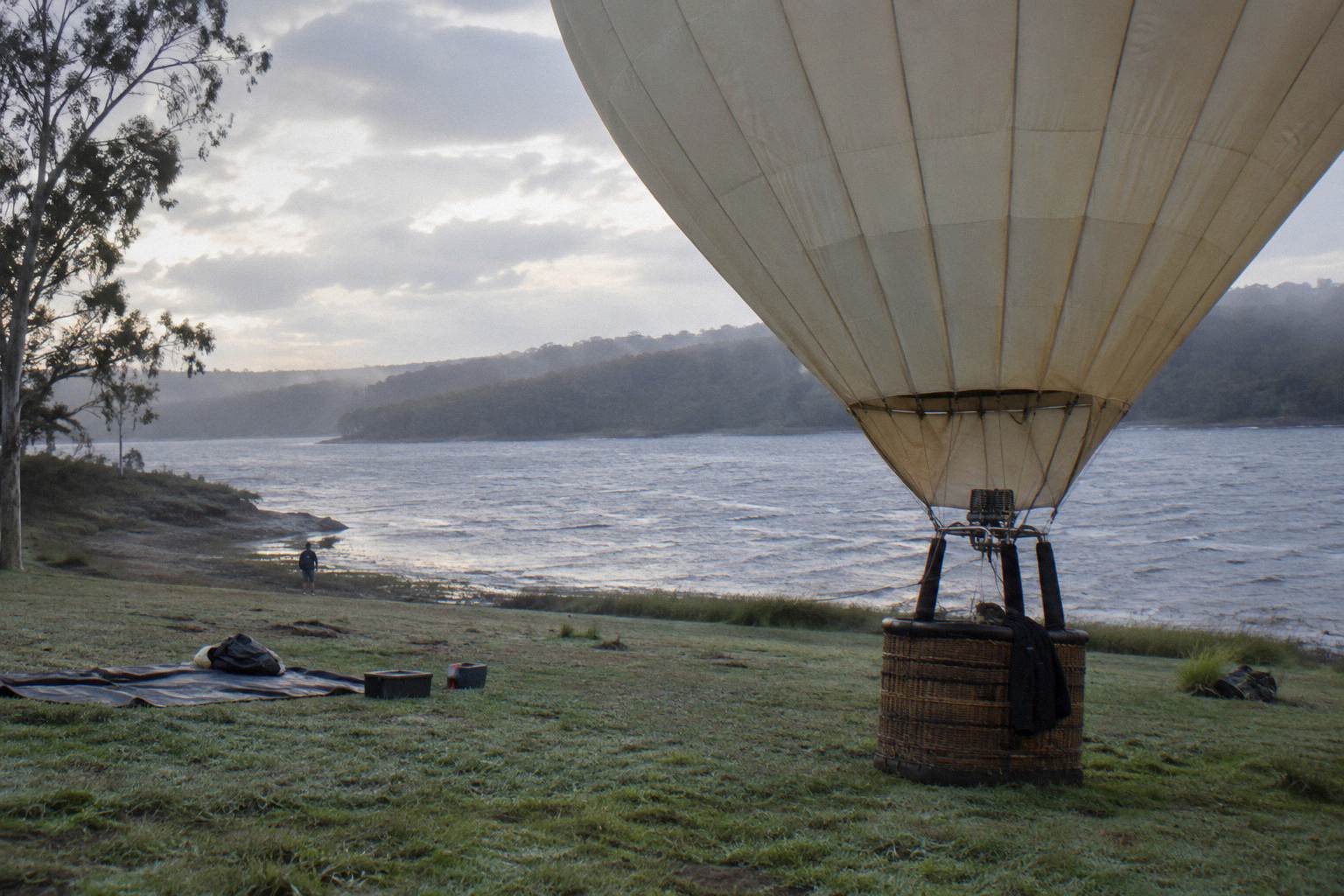
Twenty kilometres per hour sounds modest, and that is the point. A balloon envelope is a huge sail: the operator's largest balloon carries up to 10 passengers, which means a very large canopy pushing on a wicker basket with no way to fight a gust. Launches in strong wind drag the basket across the field, and landings become the bumpy part of the day turned genuinely rough.
There is a second, quieter reason the limit sits where it does. The operator's own timing shows why the day is built the way it is: check-in is always 45 minutes before sunrise, the balloon is set up over 20 to 30 minutes, and the whole programme is over in about 3 to 4 hours. Mornings are chosen because 9am wind near Ipswich averages 7.2 km/h across the year according to the Bureau of Meteorology's Amberley station, while 3pm wind averages 14.8 km/h. Afternoons roughly double the wind, which is why nobody offers an afternoon balloon flight here.
The operator publishes its FAQ answers on its own site, including the wind rule and the phone-call process, at the Floating Images FAQ page. Commercial balloon flights in Australia run under CASA Part 131 and an Air Operator's Certificate, the regulatory frame for passenger balloons: CASR Part 131 covers balloons and hot air airships.
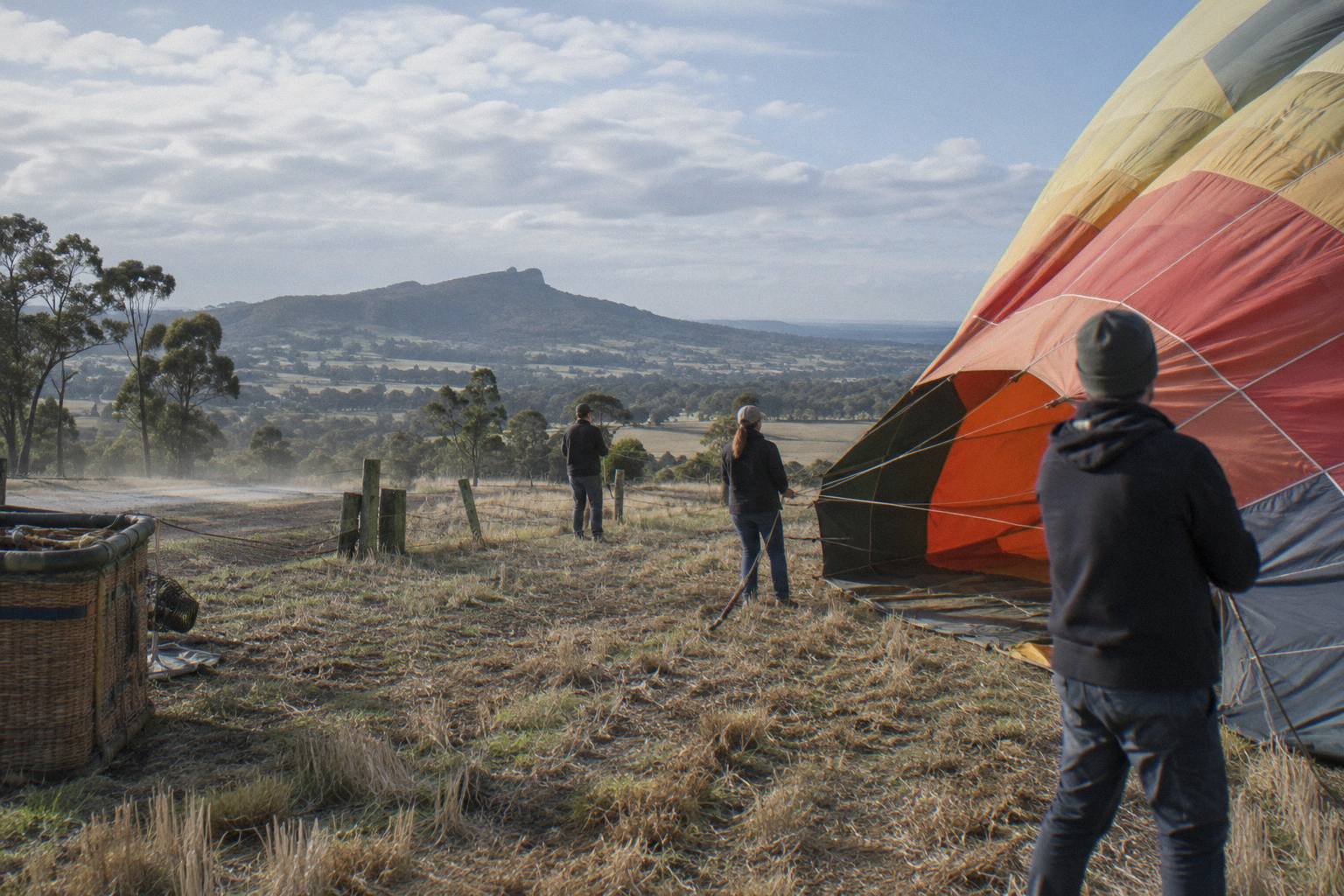
What the limit does not tell you is the launch site. The launch site is chosen each day from the wind, and the operator says the nearest is 3 minutes' drive from the meeting point at the Ipswich Visitor Information Centre and the furthest about 20 minutes. So two things move on any given morning: whether you fly, and where you fly from. The wind decides both.
When Do You Find Out Whether The Flight Is On?
You find out the night before, by phone. The operator asks passengers to ring Floating Images between 7 and 7.30pm the evening before the flight for the weather call, and the exact check-in time is on your confirmation. Check-in itself is always 45 minutes before sunrise, which in Ipswich means pre-dawn starts anywhere from about 4.00am in early summer to about 5.45am in midwinter.
The night-before call exists because balloon weather is a morning problem that gets decided the previous evening. The forecast for wind, rain and visibility is assessed, and if the morning looks unsuitable the flight does not proceed. The operator will not fly in unsuitable weather, full stop: that is its stated position, and the 20 km/h ground wind rule is the hard edge of it.
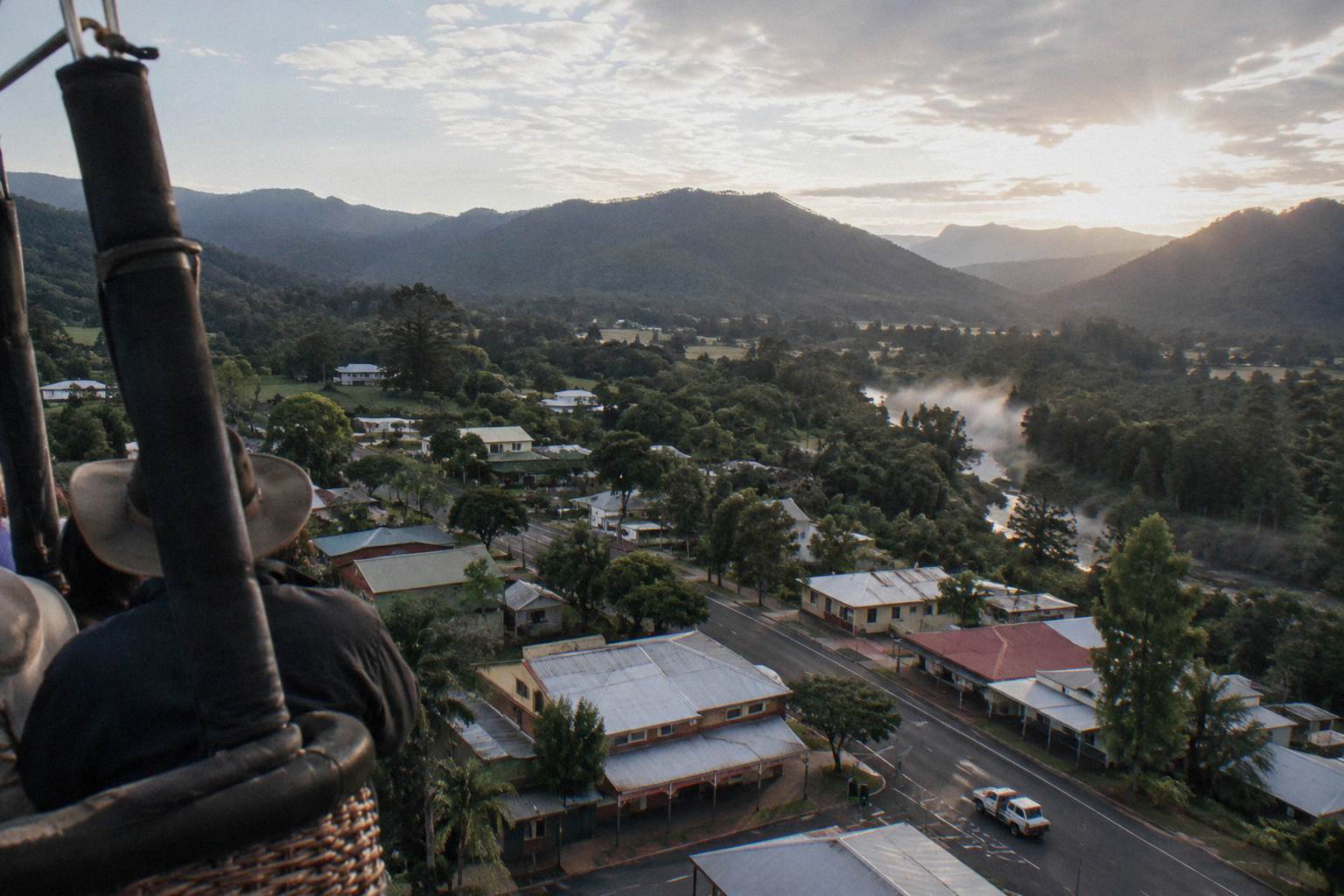
Once the call says go, the day has a shape. You meet at the car park of the Ipswich Visitor Information Centre at Queens Park, where parking is free, then the company vehicle takes the group to the launch site chosen for that wind. The ground crew follows the balloon by road, everyone returns to the Visitor Information Centre afterwards, and breakfast at Fourth Child Restaurant closes out the programme.
Timing matters for travellers staying a drive away. If you are coming from Brisbane, the operator's own drive-time table puts the CBD 30 minutes away; the Gold Coast and Toowoomba are 60 minutes, the Sunshine Coast 120. And if you are relying on public transport, the operator advises arriving the day before, because the first trains start after the summer balloon programme begins. A cancellation decided at 7.30pm the night before is awkward enough with a car and a nearby bed; it is far worse from two hours away with no morning train.
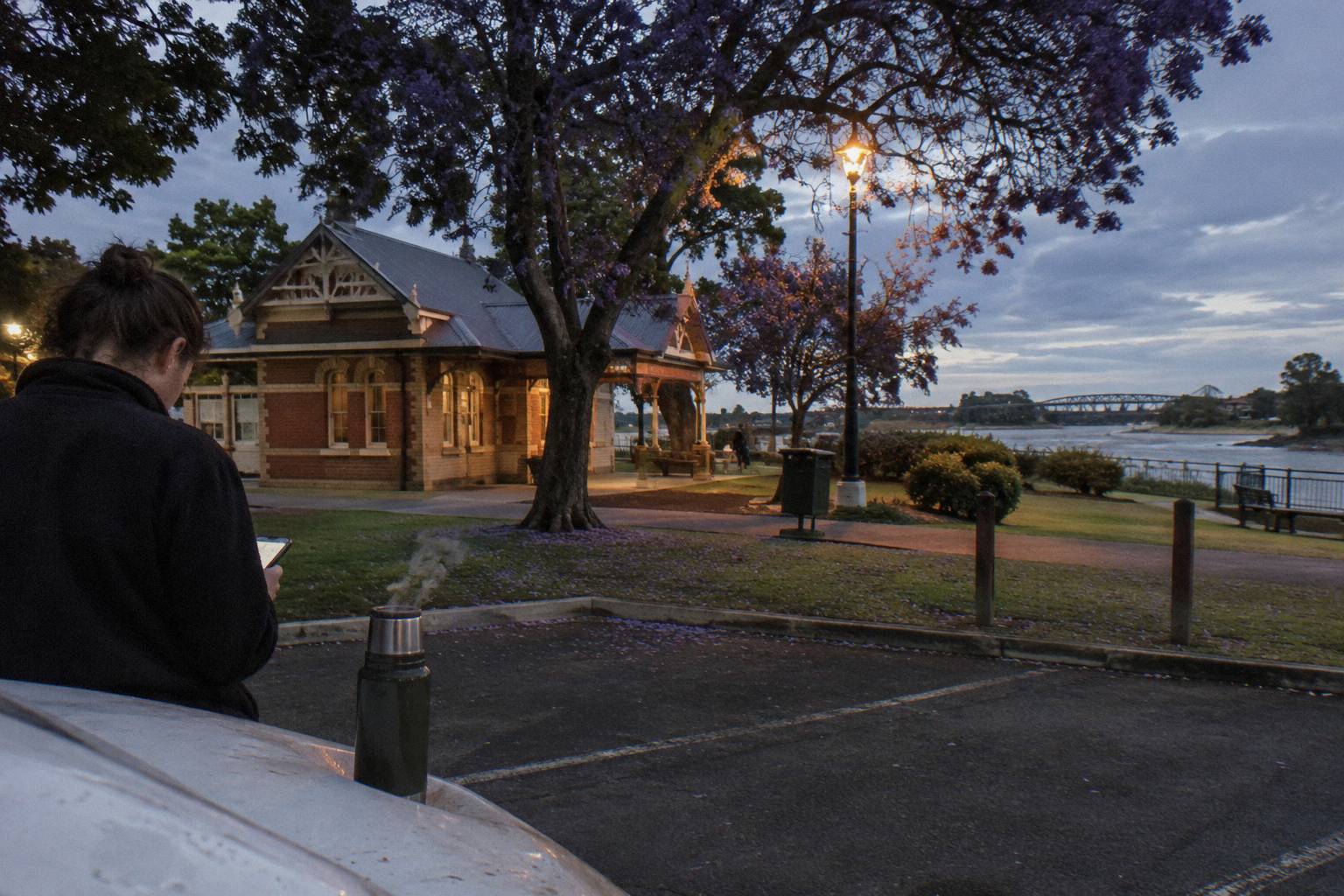
The two nearby flights confirm their own status the evening before too: the Scenic Rim and Gold Coast operators state that flights are weather dependent and confirmed the evening before, so wherever you book in this region, plan for a night-before check rather than a morning surprise.
What Happens To Your Money When The Operator Cancels?
When Floating Images cancels a flight for weather, its FAQ says you get a reschedule or refund. The terms and conditions word it differently: the booking is postponed with payment held in credit and alternative dates offered. Read the terms before you book so you know which path applies to your situation, and note that a booking administration fee, shown separately on every booking, is not refundable either way.
This is the part of a weather cancellation that most people under-plan. The headline is friendly, a reschedule or refund, but the machinery sits in the terms, and the fee line matters. A Booking Administration Fee applies to tour bookings and a Voucher Administration Fee to voucher purchases; both are shown separately and both are non-refundable under the operator's terms. So even on a fully refunded weather cancellation, that admin slice is gone.
If your plan cannot absorb a postponed date, the practical move is to book early in your stay rather than at the end. A cancellation on your first morning leaves room to rebook on the second or third; a cancellation on your last morning leaves nothing. Travellers flying out the same day should treat the flight as bonus, not anchor.
| Scenario | What the operator states | Source wording |
|---|---|---|
| Operator cancels for weather | Reschedule or refund | FAQ page |
| Terms version of the same event | Postponed, payment held in credit, alternative dates offered | Terms and conditions |
| Administration fees | Booking and voucher admin fees shown separately, non-refundable | Terms and conditions |
| Booked via a third party | The agent's own refund terms apply | FAQ page |
| Operator voucher route | Open-dated vouchers valid 36 months, transferable, not refundable | FAQ and terms |
Bookings made through a third party follow that agent's own refund terms, the operator's FAQ says. That is worth a slow read if you book anything other than direct: the agent's terms, not the operator's FAQ, govern your money.
Between the wind rule and the rebooking path, this is the moment to decide. You can compare the Ipswich sunrise flight against the nearby options, or go straight to the date: Check availability.
What About Fog And Visibility Around Ipswich?
Fog is the visibility problem specific to this region, and the Bureau of Meteorology publishes no fog-day statistic for Ipswich, so nobody can quote you a fog risk number. What is documented is one official event: an ATSB investigation, AO-2021-042, into a balloon near Yamanto on 8 October 2021 that descended into localised fog with visibility of about 10 metres, struck a tree at about 4 knots, and landed uneventfully in a clear paddock with no injuries.
The detail matters, so it is worth stating exactly as the Australian Transport Safety Bureau states it. The flight was a morning scenic charter operated by Floating Images, a pilot plus 9 passengers, meeting at the Ipswich Visitor Information Centre about 4:25am and taking off from Rosewood Golf Club about 5:20am. After about 55 minutes the balloon descended into localised fog, struck a tree, climbed out of the fog and landed in a paddock. Nineteen envelope panels were damaged and the balloon was back in service seven days later. The ATSB finding: contrary to the visual flight rules visibility requirement, the pilot entered an area of reduced visibility, leaving no time to avoid the tree. It was a limited-scope investigation. The full report is at ATSB investigation AO-2021-042.
Two honest takeaways follow. First, no other ATSB report was found for this operator; that is a statement of the search, not a safety rating, and no fatality or accident statistics for this region exist in the research to quote. Second, the event is real evidence that localised fog occurs on spring mornings in this area: the morning of that flight carried a forecast 30 percent probability of fog at Amberley. Fog is exactly the kind of condition the night-before call and the pilot's morning assessment are built to catch, and it is why visibility, not just wind, ends flights.
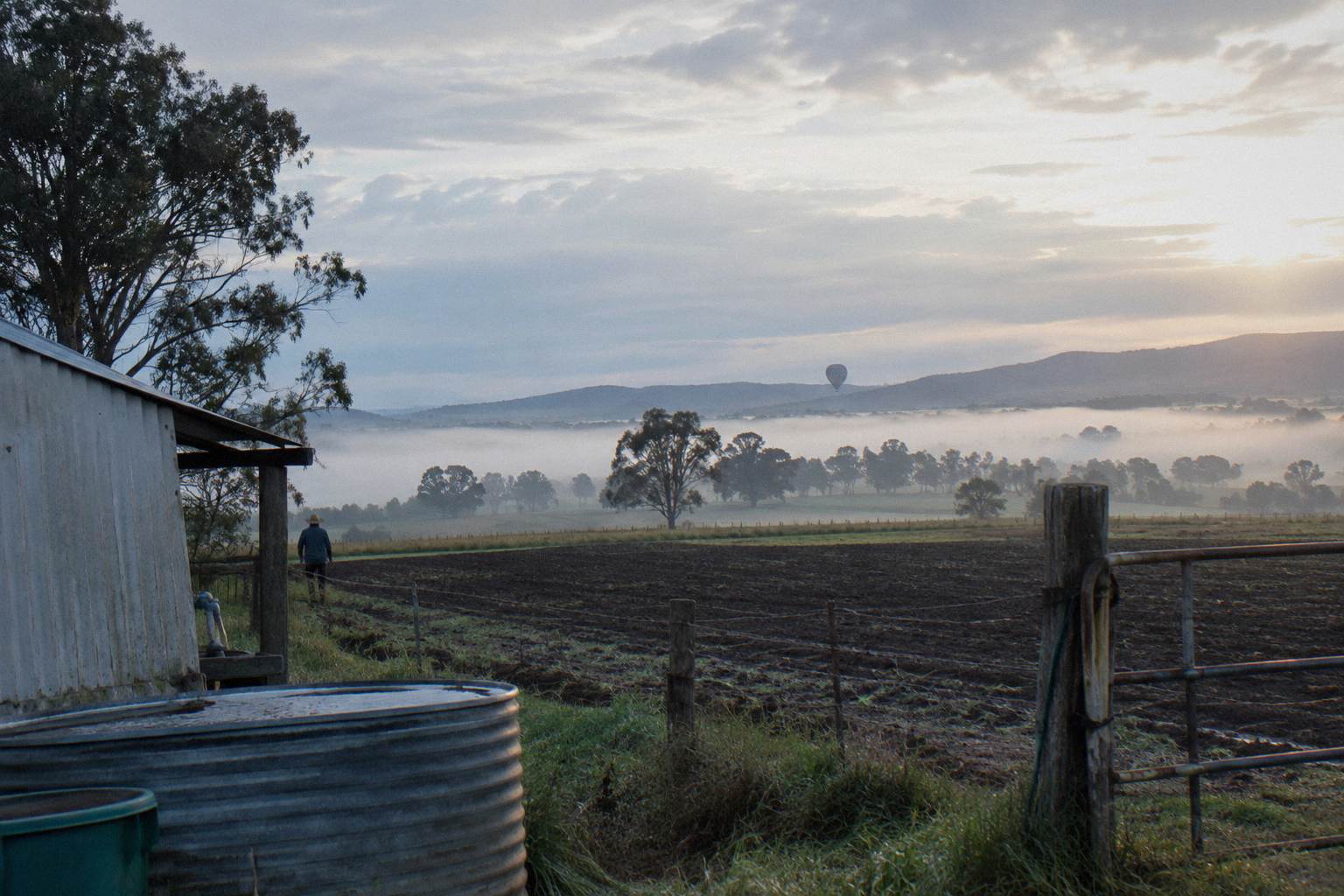
For a wider view of risk in this activity generally, the guide to ballooning safety works through what the official record does and does not say.
Which Months Have The Calmest Mornings?
The Bureau of Meteorology's Amberley data, the station nearest Ipswich, shows May through August are the calmest mornings: mean 9am wind of 5.2 to 5.9 km/h, against a windier January to November shoulder. Winter also brings the clearest 9am skies of the year, 2.5 to 2.7 oktas of cloud in July and August, and the driest months on the record.
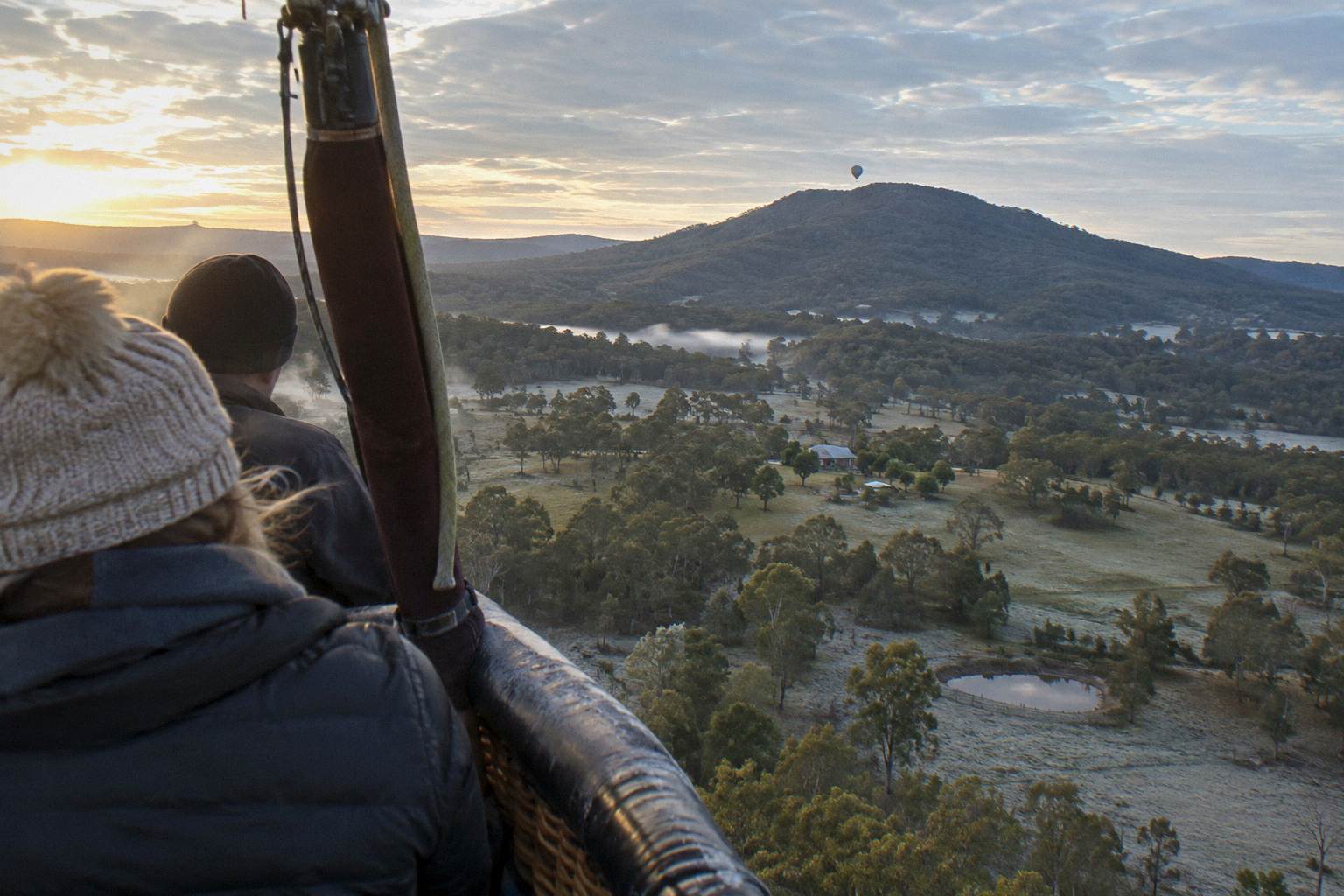
Those are long-run averages, not a forecast for your date, and the operator itself says it can generally fly year-round and names no best season. No official best month exists, so treat the table as trade-offs: winter mornings are calmer and clearer but cold, with a mean minimum of 5.4 degrees in July and a record low of minus 4.8, while summer mornings are mild from a 19 to 20 degree base but windier and far wetter on average.
| Month | Mean 9am wind (km/h) | Mean minimum temp (C) | Mean rainfall (mm) | Notes from the same record |
|---|---|---|---|---|
| January | 8.8 | 19.7 | 116.6 | Wettest quarter begins |
| February | 8.4 | 19.5 | 121.6 | Highest mean rainfall |
| March | 7.9 | 17.9 | 90.6 | Wind easing |
| April | 6.1 | 14.0 | 53.0 | Transition month |
| May | 5.2 | 10.0 | 55.5 | Calm 9am winds begin |
| June | 5.5 | 7.0 | 44.5 | Humidity 77 percent at 9am |
| July | 5.3 | 5.4 | 37.3 | Record low of minus 4.8 |
| August | 5.9 | 6.2 | 27.4 | Clearest skies, 2.5 oktas |
| September | 7.4 | 9.5 | 32.6 | Spring fog season, see ATSB event |
| October | 8.5 | 13.4 | 74.4 | Rain rising again |
| November | 9.2 | 16.3 | 84.7 | Windiest 9am month |
| December | 8.6 | 18.4 | 119.8 | Wet season returns |
The source is the Bureau of Meteorology's climate averages for the Amberley station: BOM climate averages, station 040004. The same record has no fog or inversion figure at all, so any fog claim you read about Ipswich mornings is either the ATSB event above or someone guessing.
Cold mornings change the packing list more than the flight. The question of how cold the ride feels is answered from the operator's own clothing advice: comfortable layers, a hat, sunglasses and sturdy enclosed shoes, and skip the white clothing. If you are choosing a month rather than a date, the month-by-month breakdown in which month suits a balloon flight runs the same BOM numbers against school holidays and sunrise times.
What Does It Cost If You Cancel The Booking?
Notice the asymmetry with the weather side. When the operator cancels, the FAQ talks about rescheduling or refunds. When you cancel, the terms are strict and time-tiered. The bands reward early decisions: at 14 days out you are A$25 per person lighter, inside three days you lose the fare. Plan the booking date accordingly, and if your travel dates might move, an open-dated voucher is the operator's own product for that uncertainty: valid 36 months from purchase, transferable, not refundable, and usable within 12 months to lock the original price.
| You cancel or alter | Fee per person |
|---|---|
| 8 to 14 days before | A$25 |
| 72 hours to 7 days before | A$50 |
| Inside 72 hours | Full fare forfeited |
Two details finish the picture. Prices are valid for travel to 31 March of the following year and change each 1 April under the operator's terms, so a voucher used within 12 months keeps the price you paid. And the same terms note that a flight landing early still counts as completed if it runs over 40 minutes, which sets the expectation for short flights in fading conditions: the weather can end an hour early without triggering a refund.
How Do The Nearby Flights Handle Weather?
The nearby Scenic Rim and Gold Coast flights run the same pattern on their own terms: each states its flights are weather dependent and confirmed the evening before, and each carries free cancellation up to 24 hours before the start time, with nothing refunded inside 24 hours. None of them launches from Ipswich, and their weather decisions are made by their own operators at their own launch sites, not by Floating Images.
The Brisbane Scenic Rim Balloon Flight With Canungra Vineyard Breakfast is the closest alternative to compare: a Hot Air Gold Coast product, about 4 hours total with 1 hour in the air, launching near Canungra, rated 5.0 from 23 reviews, with a meeting point confirmed at booking. The booking page shows the current price.
The Bubbles, Alpacas And Breakfast Balloon Flight runs from the Gold Coast hinterland, 5 to 6 hours door to door with an hour in the air, hotel pickup from the Gold Coast, Surfers Paradise and Broadbeach, and a rating of 4.9 from 46 reviews. Its weather terms are the same shape: confirmed the evening before, free cancellation up to 24 hours out.
For planning around either, the Scenic Rim balloon flights guide lays out the meeting points and breakfast options, and the sunrise flight timing guide covers why every one of these products meets in the dark.
What Mistakes Trip Travellers Up On Weather Days?
The recurring mistakes are booking the last morning of a trip, skipping the 7 to 7.30pm call, assuming the refund wording in the FAQ is the whole story, and forgetting that the administration fee never comes back. Each one costs money or a flight, and each is avoidable with a booking placed early in your stay and a slow read of the terms before you pay.
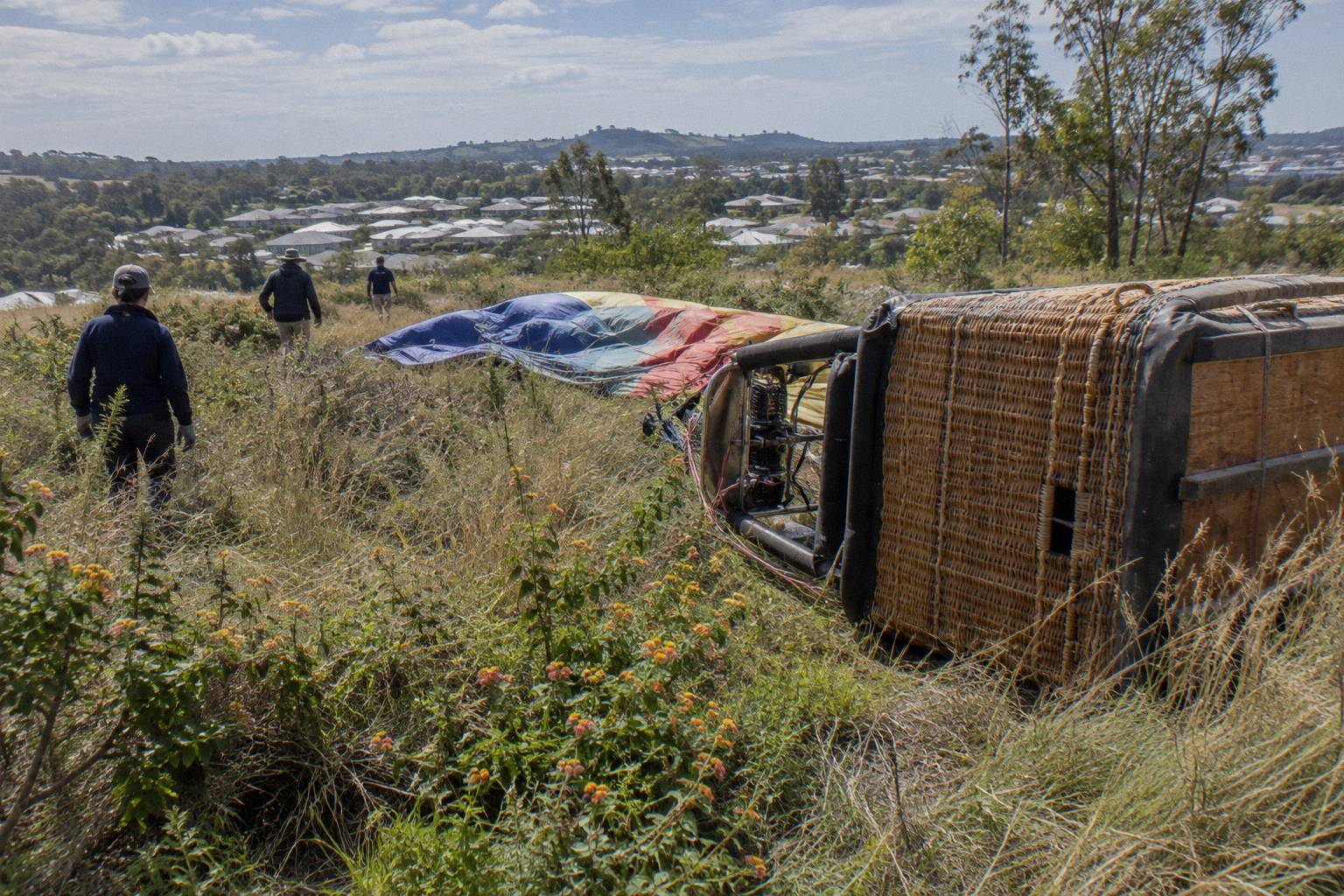
The list of things worth doing, drawn from the operator's own process:
- Ring the operator between 7 and 7.30pm the night before for the weather call; do not wait for a message.
- Book your first or second morning in the region, not your last.
- Read the terms and conditions, not just the FAQ, before paying; the credit wording lives in the terms.
- Expect the administration fee to be non-refundable in every scenario.
- If you booked through an agent, check that agent's refund terms; they govern your money.
- If your dates might move, weigh the open-dated voucher: 36 months of validity, transferable.
- Arrive the night before if you depend on public transport; the first trains start too late.
One last framing point. The Ipswich flight is the one launch from the city itself, meeting at the Ipswich Visitor Information Centre rather than a hotel pickup. Weather risk is not a reason to skip it; it is a reason to book it with slack in your calendar.
Common Questions About Balloon Flight Weather And Cancellations
What Wind Speed Cancels A Hot Air Balloon Flight?
The Ipswich operator, Floating Images, says it is legally obliged to cancel flights when the wind is more than 20 km/h on the ground. Commercial balloon flights in Australia run under CASA Part 131 and an Air Operator's Certificate.
When Will I Know If My Balloon Flight Is Cancelled?
The night before. The operator asks passengers to ring Floating Images between 7 and 7.30pm the evening before the flight for the weather call. Check-in is always 45 minutes before sunrise, with the exact time on your confirmation.
Do I Get A Refund If The Balloon Flight Is Cancelled For Weather?
The operator's FAQ says a weather cancellation by Floating Images gets a reschedule or refund; the terms word it as postponed with payment held in credit and alternative dates offered. Read the terms, and expect the administration fee to be non-refundable.
What Happens If I Cancel My Balloon Booking Myself?
The operator's terms charge A$25 per person for 8 to 14 days' notice, A$50 per person for 72 hours to 7 days, and the full fare inside 72 hours. Administration fees are non-refundable in every case.
Which Months Have The Calmest Mornings Near Ipswich?
According to the Bureau of Meteorology's Amberley averages, May through August have the calmest 9am winds, 5.2 to 5.9 km/h, and the clearest skies in July and August. The operator says it can generally fly year-round and names no best season.
Does Fog Cancel Balloon Flights Around Ipswich?
It can. The Bureau publishes no fog-day statistic for Ipswich, so no risk number exists to quote. An ATSB investigation documents one localised fog event near Yamanto in October 2021 with no injuries, which is official evidence that spring mornings here can carry fog.