Is Hot Air Ballooning Safe: Regulation, Pilots And Weather Calls
Balloon safety is not a matter of luck: it rests on a regulator, a licensed pilot with a weather limit, and a set of passenger rules you can read before you book. Here is what the official record and the operator's own terms actually say.
Short answer
Commercial balloon flights in Australia run under CASA Part 131 and an Air Operator's Certificate, flown by licensed commercial pilots. The Ipswich operator, Floating Images, says it holds certificate SQ578387 and says it is legally obliged to cancel when ground wind exceeds 20 km/h. No other ATSB report was found for it beyond a 2021 fog incident with no injuries.
For the wider picture of launch areas around the city, the guide to Brisbane balloon flight launch areas maps where flights actually go up.
| Question | Answer |
|---|---|
| Who regulates balloon flights? | CASA, under Part 131 of the Civil Aviation Safety Regulations, with an Air Operator's Certificate required |
| What licence does a balloon pilot need? | A CASA Commercial Pilot Licence (Balloon) |
| When must a flight be cancelled? | The operator says it is legally obliged to cancel when ground wind is more than 20 km/h |
| What happens if the operator cancels? | Reschedule or refund, per the operator's FAQ; terms say payment may be held in credit |
| Has there been an ATSB investigation here? | One, AO-2021-042, a 2021 tree strike in fog near Yamanto with no injuries |
| How high does the flight go? | Typically treetop to 1,000 to 3,000 ft, and the operator says it does not fly above 4,500 ft |
Who Regulates Hot Air Ballooning In Australia
Commercial hot air ballooning in Australia sits inside the formal aviation safety system, not outside it. Passenger-carrying balloon flights operate under Part 131 of the Civil Aviation Safety Regulations, which covers balloons and hot air airships, and an operator must hold an Air Operator's Certificate issued by the Civil Aviation Safety Authority. The person at the controls needs a commercial pilot licence (balloon category), the same regulatory family that governs any other passenger-carrying flying.
That is the framework stated on CASA's own Part 131 rule page, which exists specifically for balloons and hot air airships. What that means in practice for a nervous reader: the aircraft is not improvised, the pilot is not a hobbyist, and the operator is not unlicensed. A certificate holder answers to the regulator for how it maintains its balloons, how it briefs passengers and how it loads the basket.
For the local flight, the operator's role is Floating Images, which the footer of its own pages says operates under Air Operator Certificate SQ578387 issued by CASA. That is the operator's statement, and it is the kind of claim that is checkable with the regulator if you want certainty. The operator also claims a CASA Approved Maintenance Organisation arrangement, ATAP accreditation and Sustainable Tourism certification on its about page; treat each of those as operator claims rather than independently verified facts.
One point worth knowing because it is often assumed wrongly: the operator's own pages do not claim membership of the Australian Ballooning Federation, which is the members body for competition and sport ballooning. Commercial passenger flights and sport ballooning are different corners of the same activity, and the accreditation that matters for a paying passenger is the Air Operator's Certificate, not a federation membership.
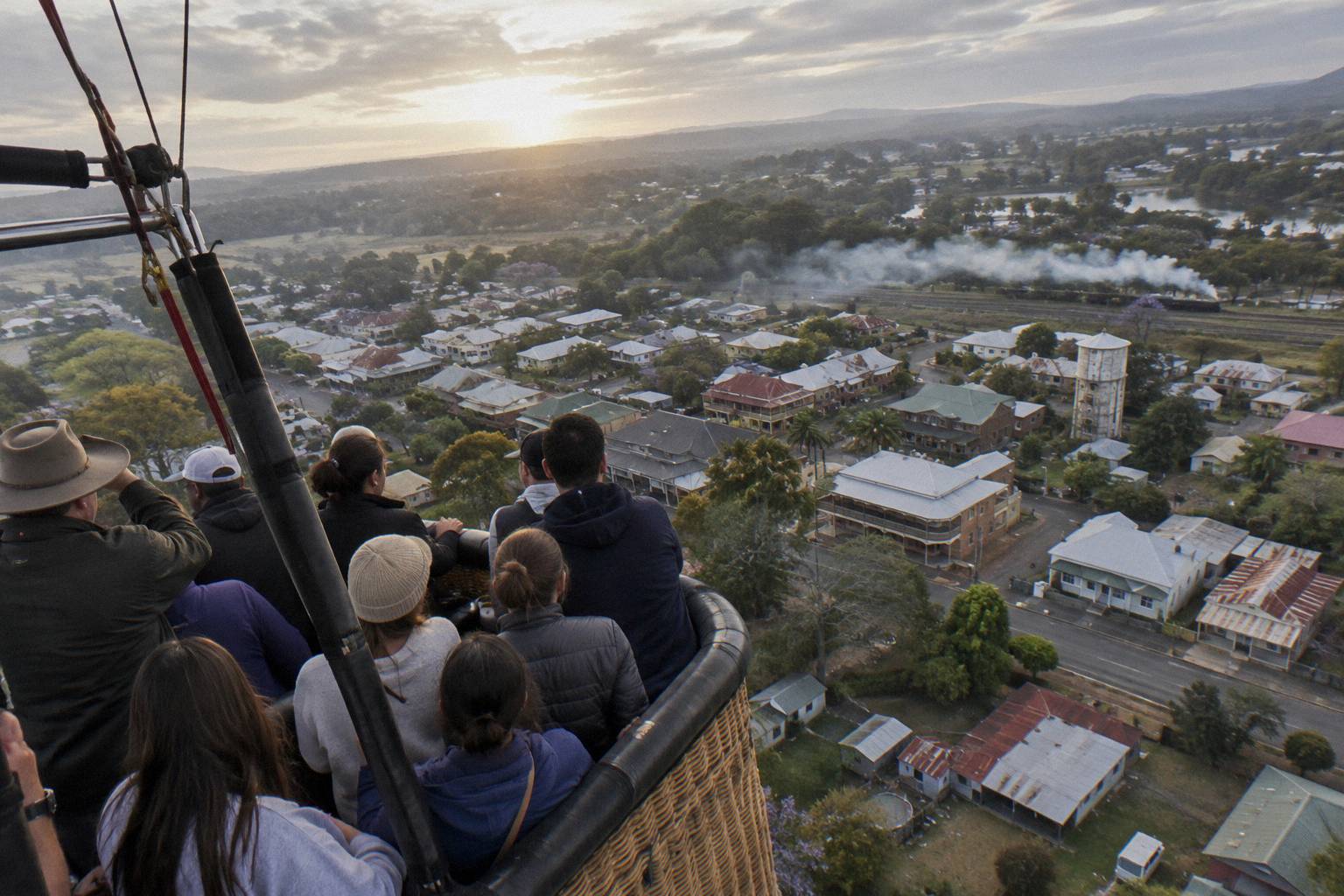
The Ipswich Scenic City And Country Hot Air Balloon Flight is one product inside that framework: an about one hour flight over the Ipswich, Scenic Rim and Somerset regions, described on the Ipswich sunrise flight page. The pilot and the operator, not the passenger, carry the regulatory duties, which is the first reason the answer to "is it safe" does not rest on your own judgement.
What The Official Investigation Record Shows
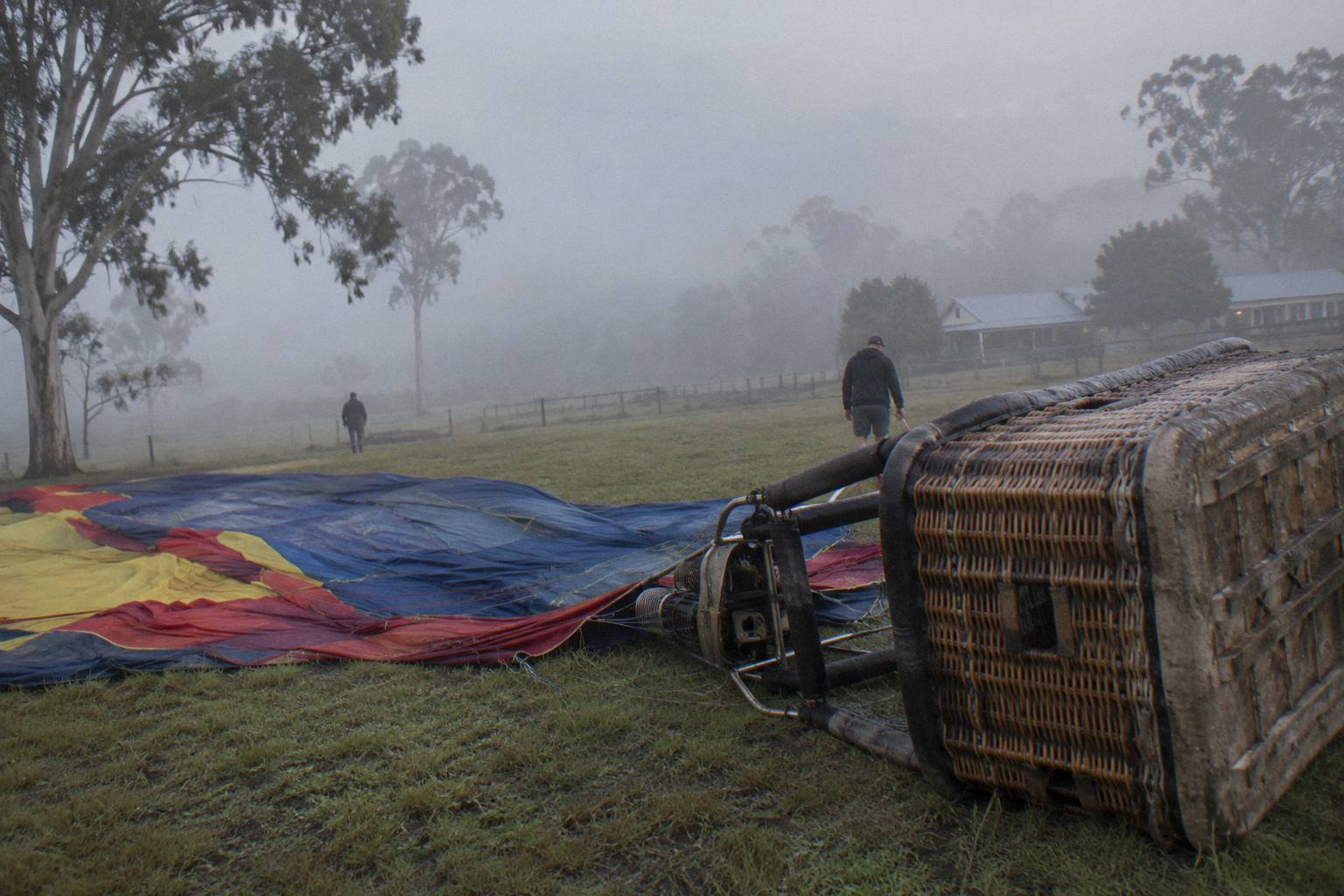
The Australian Transport Safety Bureau record for this operator holds one investigation: AO-2021-042, a collision with terrain involving a balloon near Yamanto on 8 October 2021. The balloon entered localised fog with visibility of about 10 metres, struck a tree at about 4 knots, climbed out of the fog and landed uneventfully in a clear paddock. There were no injuries, to the pilot or to any of the nine passengers.
The detail matters, because a headline about a "collision with terrain" sounds far worse than what the report describes. Passengers met at the Ipswich Visitor Information Centre about 4:25am, were driven to Rosewood Golf Club, and took off about 5:20am on a morning scenic charter. After about 55 minutes of flying, the balloon descended into localised fog, clipped a tree, damaged 19 envelope panels, and the balloon was back in service seven days later. The full detail is on the ATSB investigation page, which is the primary source for every fact in this section.
The ATSB's finding was about a decision, not a failure of the aircraft: contrary to the visual flight rules visibility requirement, the pilot entered an area of reduced visibility, which left no time to avoid the tree. The investigation was limited in scope, and its safety message is directed at pilots: when a balloon enters visibility below VFR minima, the pilot should commence immediate recovery. For a passenger, the useful reading is that the risk event on record here involved fog and a decision in the air, not fire, structural failure or anything of that kind.
That report also tells you something practical about this region: Ipswich winter and spring mornings can carry localised fog, and on the morning in question the forecast carried a 30 percent probability of fog. Fog is exactly the kind of condition the weather call the night before is designed to catch. Beyond this investigation, no other ATSB occurrence was found for the operator, and no clean-safety-record claim is made here because the registers were not exhaustively searched.
For a fuller discussion of the odds question, including why no fatality statistics for this region exist in the research, the article on the odds of a hot air balloon accident covers the same ground from the statistics angle.
How The Weather Call Actually Works
Here is how it works: the operator makes a go or no-go call the evening before each flight, cancelling whenever ground winds exceed 20 km/h or the weather is otherwise unsuitable. Passengers phone the operator between 7 and 7:30pm the night before to hear the verdict, with the exact check-in time, always 45 minutes before sunrise, listed on the confirmation.
This is the single most reassuring fact for a nervous reader, because it means the conditions question is answered before you ever leave home, not improvised in a paddock. A balloon cannot be steered around weather the way a car takes a different road; the pilot controls altitude, the wind decides direction, so the decision about whether conditions suit flying is made in advance and conservatively. The operator cancels when conditions do not suit, and its FAQ states cancelled passengers get a reschedule or a refund, while its terms say payment may be held in credit with alternative dates offered. Read the terms when you book so you know which applies.
Bureau of Meteorology averages for the Amberley station, the closest to Ipswich, explain why some months fly more reliably than others. Mean 9am wind runs 5.2 to 5.5 km/h through May, June and July against 8.8 km/h in January and 9.2 km/h in November: the calmest mornings of the year sit in the middle of the year, and every month's average sits well under the 20 km/h cancellation threshold. Averages are not a forecast, and the wind at dawn on your morning is what the pilot actually judges, but the pattern is consistent.
| Month | Mean 9am wind (km/h) | Mean minimum temp (C) | Mean rainfall (mm) |
|---|---|---|---|
| January | 8.8 | 19.7 | 116.6 |
| February | 8.4 | 19.5 | 121.6 |
| March | 7.9 | 17.9 | 90.6 |
| April | 6.1 | 14.0 | 53.0 |
| May | 5.2 | 10.0 | 55.5 |
| June | 5.5 | 7.0 | 44.5 |
| July | 5.3 | 5.4 | 37.3 |
| August | 5.9 | 6.2 | 27.4 |
| September | 7.4 | 9.5 | 32.6 |
| October | 8.5 | 13.4 | 74.4 |
| November | 9.2 | 16.3 | 84.7 |
| December | 8.6 | 18.4 | 119.8 |
Bureau of Meteorology climate averages, Amberley station. The Bureau publishes no fog-day or inversion statistic, so no fog frequency figure is offered here; the 2021 ATSB report is the official evidence that localised fog does occur on mornings in this region.
The operator says it can generally fly year-round and names no best season, so treat the table as a picture of conditions rather than a booking instruction. What the weather system means for your money is covered in detail in the guide to balloon flight weather and cancellations, including what happens when you are the one who cancels.
Passenger Rules That Exist For Safety Reasons
Most rules that look like fine print exist for physical safety reasons: the basket has no door and no seat, so passengers must climb in and out unaided using two footholds over a side about 1.2 metres high. The operator also refuses to knowingly fly pregnant passengers at any stage, needs estimated weights at least 48 hours ahead, and bars passengers over 130 kg, citing CASA guidelines and its operations manual.
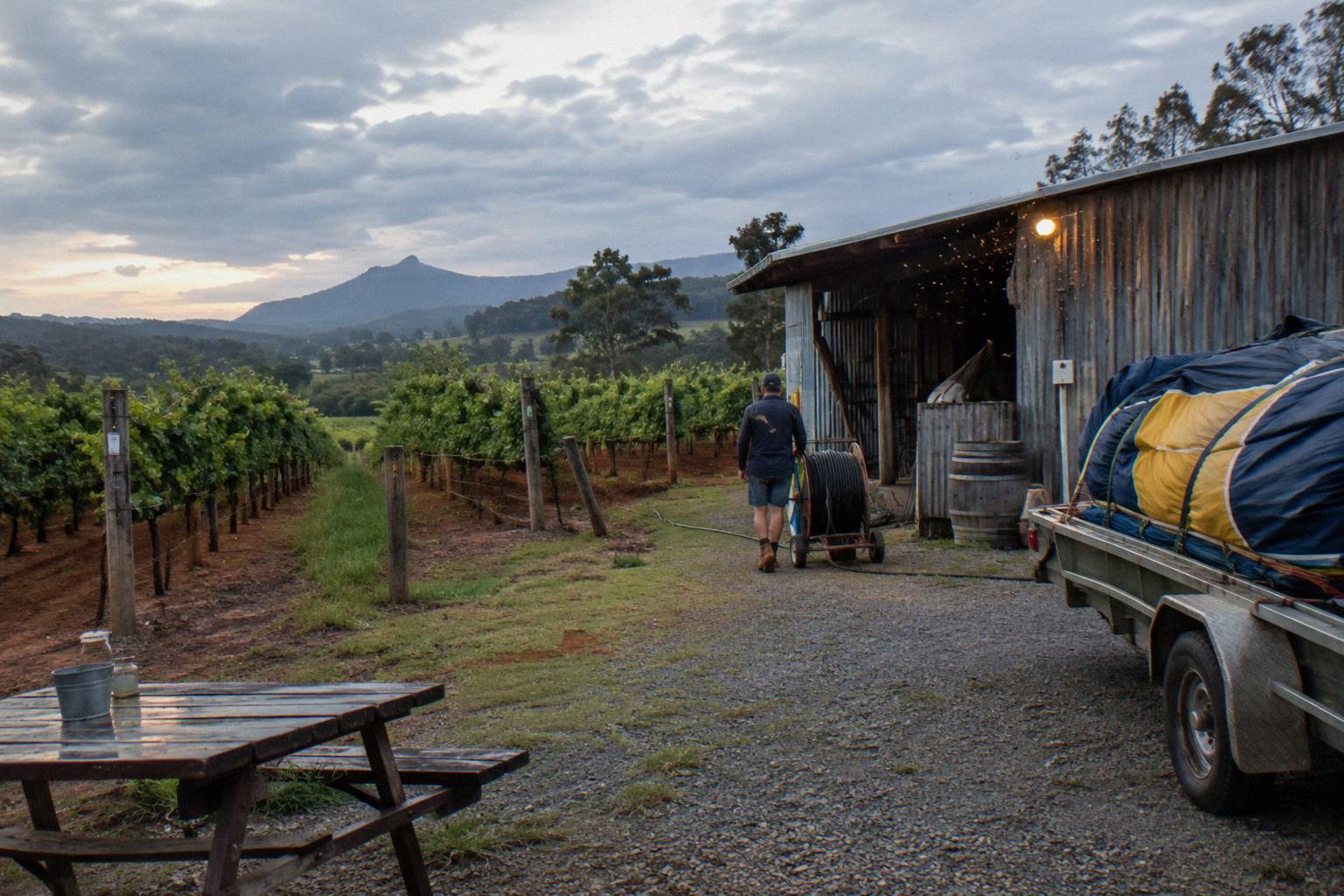
The weight rules are not about comfort. A balloon's climb performance and its certification both depend on total load, which is why the operator asks to be told about anyone over 85 kg, applies a 50 percent surcharge from 110 kg, and declines flights over 130 kg. Names and estimated weights are needed at least 48 hours before the flight. Children aged 6 to 12 must be at least 120 cm tall and able to see over the 1.2 metre basket edge unaided, with no stools and no lifting, and children under 6 do not fly at all.
The standing rule matters more than people expect. There are no seats in the basket: every passenger stands or leans for about an hour, no walkers, sticks or crutches are allowed in the basket, and landings can be bumpy, with the basket sometimes lying briefly on its side. Anyone with a mobility limitation must bring a support person, there are no wheelchair facilities, and every passenger signs a medical waiver. There are also no toilets after the group leaves the Ipswich Visitor Information Centre, not in the basket, the vehicles or the field sites; the practical side of that is covered in toilets on a hot air balloon.
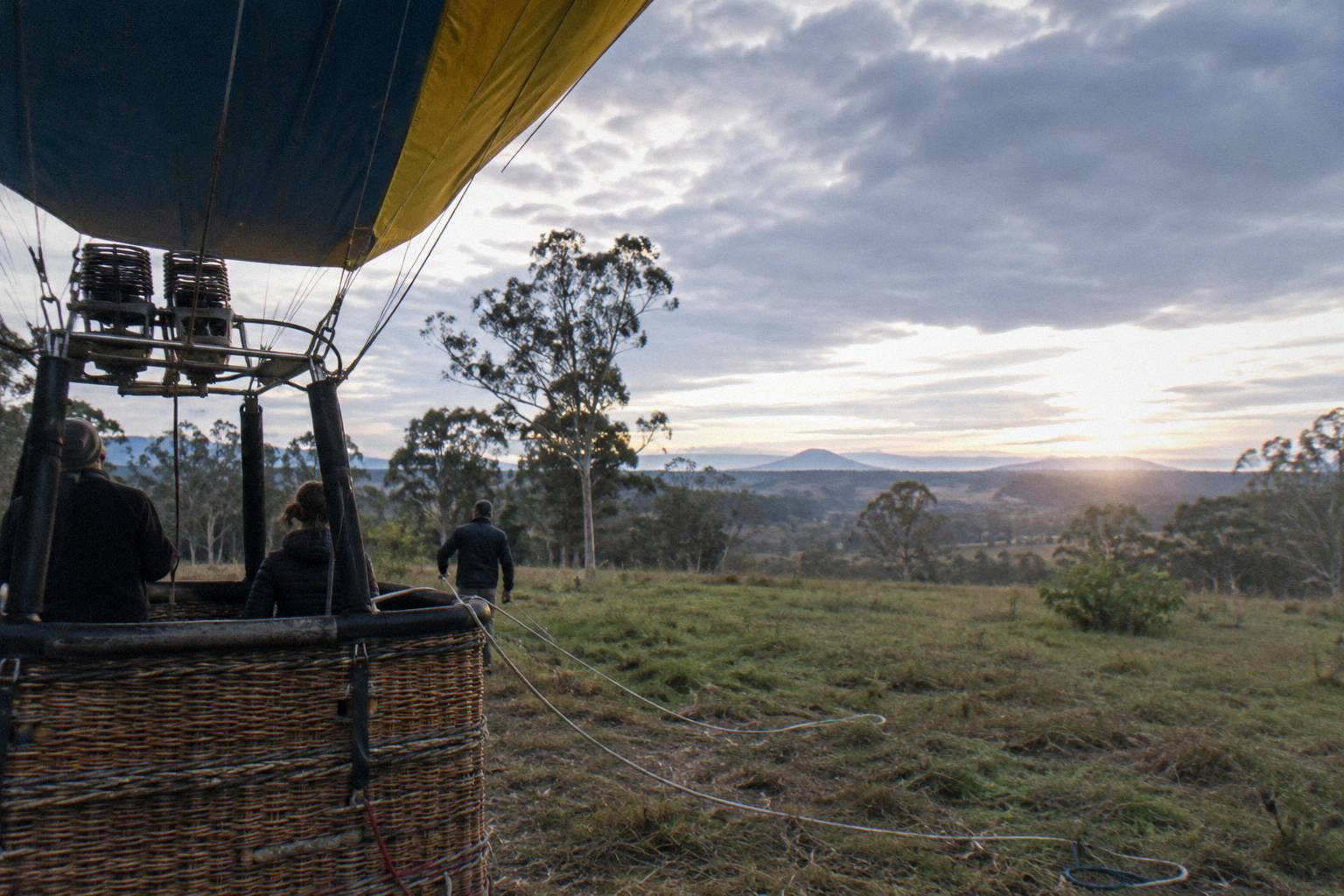
| Rule | The operator's stated policy |
|---|---|
| Climbing in and out | Unaided, two footholds, basket side about 1.2 m, no door |
| Standing | Stand or lean for about 1 hour, no seats, walkers, sticks or crutches |
| Weight notification | Tell the operator if over 85 kg; names and weights 48 hours ahead |
| Weight surcharge and limit | 50% surcharge from 110 kg; over 130 kg cannot fly |
| Pregnancy | Not flown at any stage, at any stage of pregnancy |
| Minimum child age and size | 6 to 12 with an adult, at least 120 cm, see over the basket edge unaided |
| Scuba diving | Check with a dive master if diving the day or night before |
Each of these is the operator's policy, stated on its FAQ and safety pages, and the operator says it follows CASA guidelines and its operations manual. If any line in that table applies to someone in your group, ask the operator before booking rather than assuming an exception; the rules around age and size are covered further in the guide to the balloon flight age limit.
If standing for an hour or the climb-over is a genuine barrier, the nearby flights are not automatically softer: their booking pages carry their own rules, for example the Winery Breakfast And Alpaca Balloon Flight From The Gold Coast lists a minimum age of 3 and its own climb-in-unaided requirement, and you cannot infer the Ipswich operator's policy onto them or theirs onto it.
Who Is Actually Flying The Balloon
The pilot of the Ipswich flight is a career balloon pilot. ATSB records from the 2021 investigation show the pilot held a CASA Commercial Pilot Licence (Balloon) issued in January 1995 with 2,904 total flying hours at October 2021, and a class 2 medical. The operator says its Chief Pilot has over 30 years of experience and flies every flight, and that it has operated in this region since 2001.
Those licence and hours figures come from the official investigation record, which is why they are stated here rather than the rounder numbers on marketing pages. A commercial balloon licence is not issued quickly: it represents examinations, solo time, and checked flying under the same regulator that licenses airline pilots. Hours in the specific aircraft type and region count for something too, since local knowledge of how fog forms in the Bremer valley or how the wind behaves at dawn near the Great Dividing Range is built over years.
The operator's structure is small and owner-run: Chief Pilot Graeme Day and Ruth Day co-run the business, and the office is at Karalee. Small does not mean informal in the regulatory sense, since the Air Operator's Certificate applies regardless of company size, and passengers fly in small groups, up to 10 on the standard package as the operator states it.
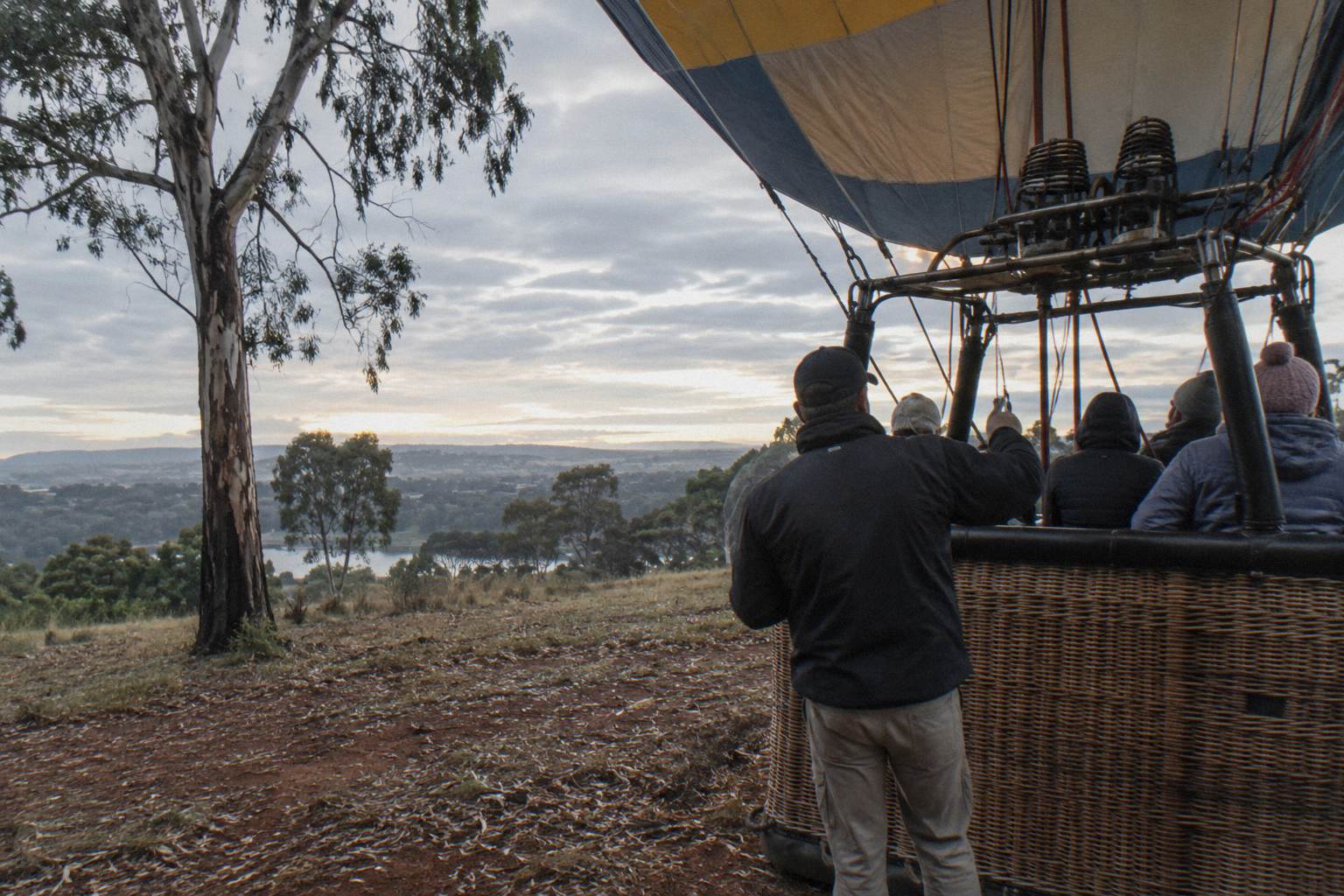
For contrast, the nearby options are run by different operators entirely: the Scenic Rim Classic Hot Air Balloon Flight is operated by Hot Air out of the Scenic Rim, and the GoBallooning Gold Coast Flight With Photos by Go Ballooning from the Gold Coast. Each holds its own certification and sets its own passenger rules, so any safety question about those flights is a question for that operator, not an inference from this one.
How Height, Landing And The Basket Factor Into It
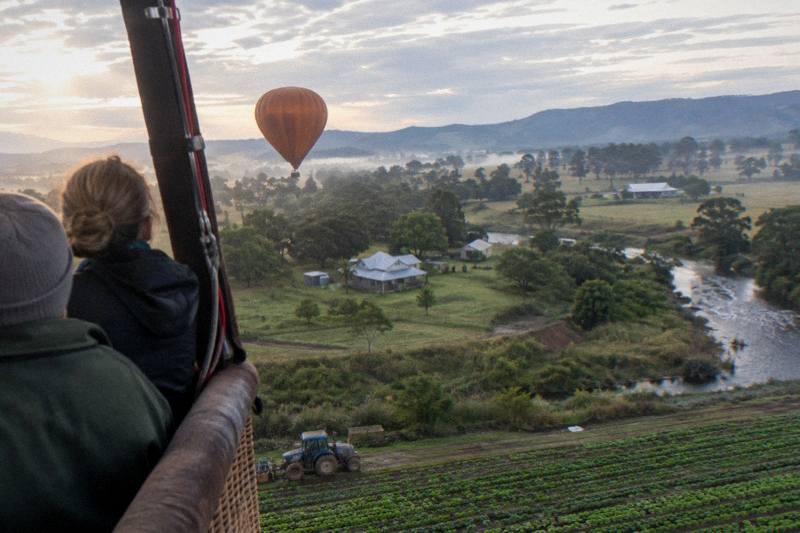
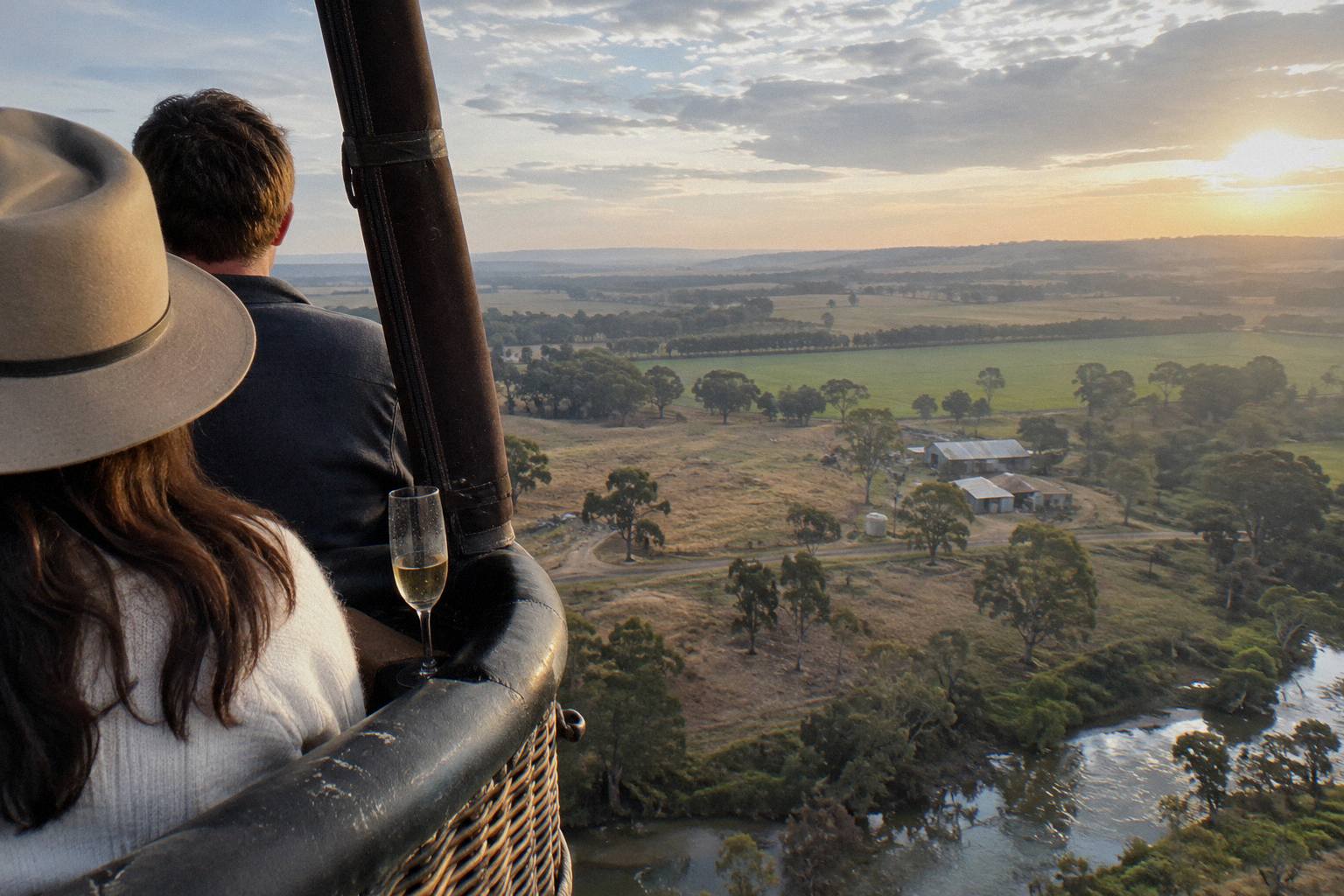
The flight profile is gentler than most people imagine: typically treetop height up to 1,000 to 3,000 feet, and the operator says it does not fly above 4,500 feet. Landings can be bumpy and the basket may lie on its side briefly, which is normal enough that helping with the pack-down afterwards is offered as an optional part of the experience rather than an emergency measure.
There are no seats, no restraints and no door, which is why the physical rules in the table above exist. Passengers brace in the landing position the pilot briefs, the basket touches down, and on some landings it tips; the briefing before take-off covers exactly what to do with knees, hands and the basket ropes. The guide to what happens at balloon landing walks through the whole sequence for readers who want it step by step before deciding.
The envelope itself is inspected under the operator's maintenance arrangements, which the operator says include a CASA Approved Maintenance Organisation. The 2021 incident is again the honest illustration: 19 damaged panels put the balloon out of service for seven days for repair, which is the maintenance system doing its job after a hard contact, not a sign of ongoing airworthiness doubt.
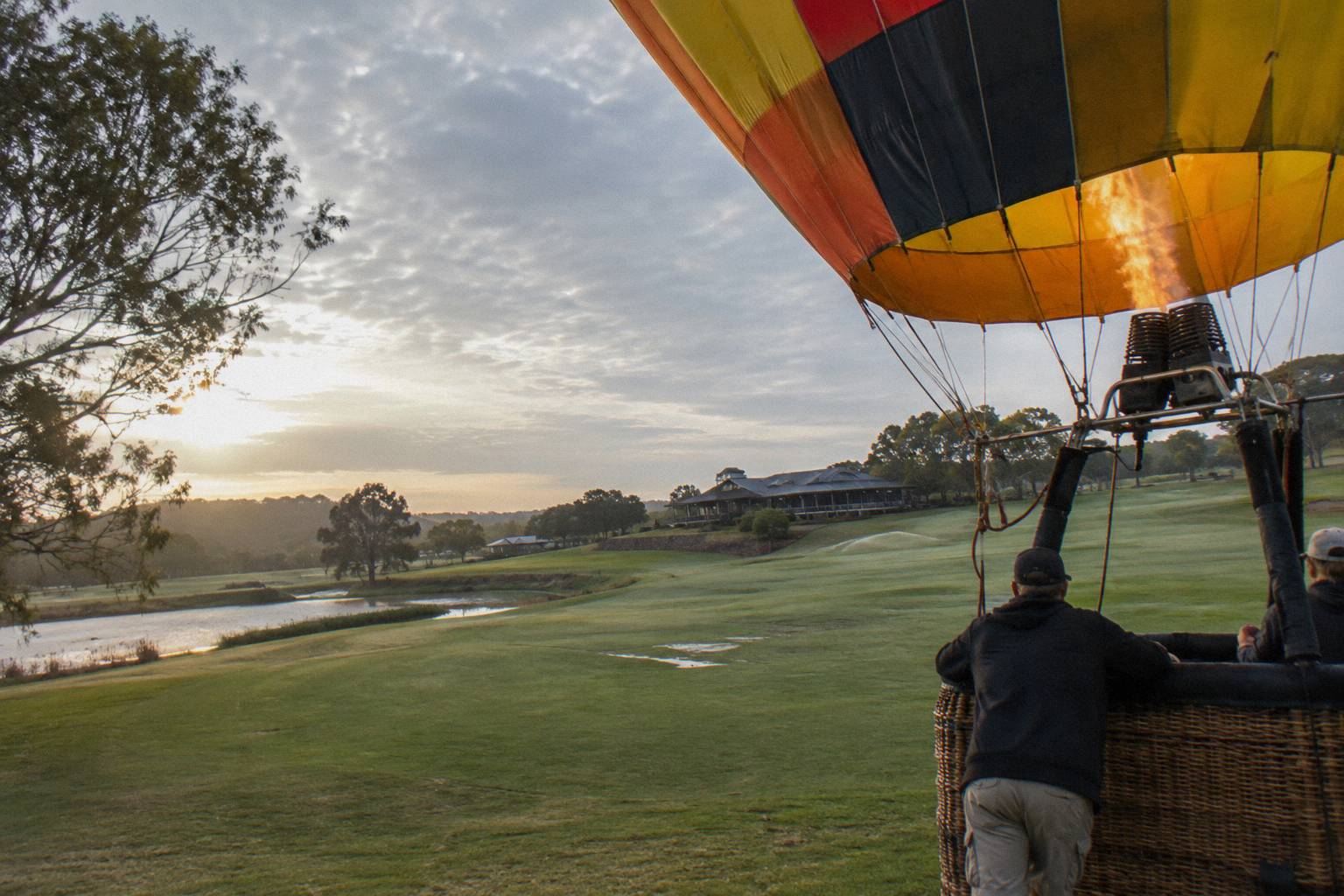
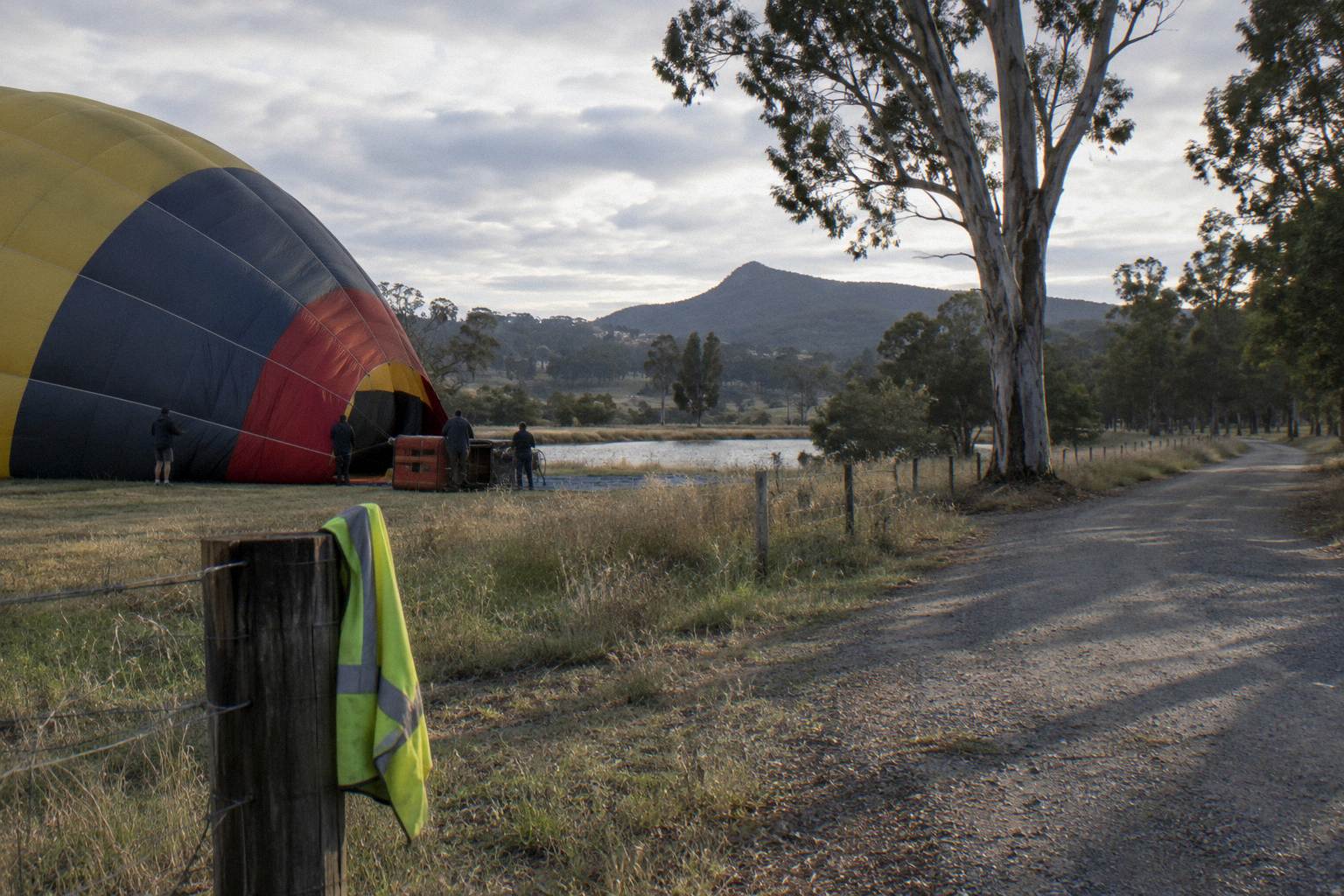
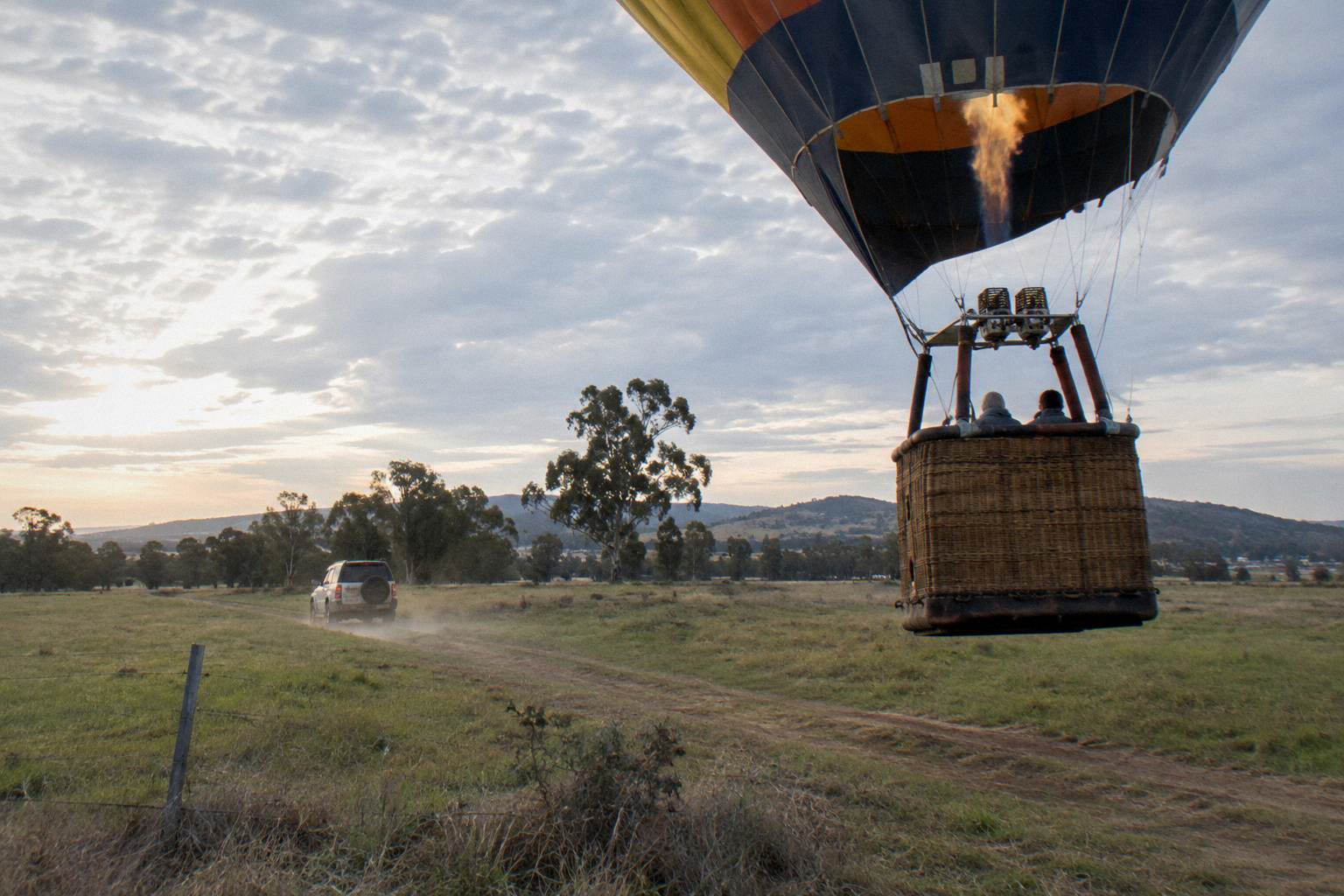
A ground crew follows the balloon for the whole flight, and the company vehicle takes passengers back to the meeting point afterwards. You are not remote or unaccompanied: the flight, the chase and the return are one programme, which the operator says runs about 3 to 4 hours in total with about 1 hour in the air.
What Trips Up Nervous First-Time Flyers
Nervous first-time flyers stumble by treating safety as a yes or no and ignoring the parts of the system they control: they book without reading the passenger rules and are surprised by the 1.2 metre climb, they assume a hotel pickup exists for the Ipswich flight when the meeting point is the Ipswich Visitor Information Centre car park, and they plan a tight onward schedule even though the 3 to 4 hour programme can be moved by weather.
Read the specific rules before paying. Check the weight, pregnancy, age, height and mobility rules against everyone in your group, and ring or email the operator, bookings@floatingimages.com.au, with anything uncertain. The operator's own FAQ pages, at floatingimages.com.au, are the primary source for these policies.
Plan the morning around the check-in time, which is always 45 minutes before sunrise and lands between roughly 4:00am in the December weeks and 5:30 to 6:00am in the June weeks, per the operator's own meeting-time table. Queensland has no daylight saving, so those times hold year-round. If you are relying on public transport, the operator advises arriving the day before, since early trains do not suit a pre-dawn check-in.
Dress for the rules, not the Instagram photo: the operator suggests comfortable layers, a hat, sunglasses and sturdy enclosed shoes for dew and long grass, no sandals, open toes or heels, and it says to avoid white. A camera is welcome and stays your responsibility; how to look after one is covered in the guide to balloon flight photography.
Finally, give the weather call a fair reading. A cancellation is the system working: the operator says it must not fly above 20 km/h ground wind, and a reschedule or refund beats a flight in conditions the pilot does not accept. Book with a spare morning or two in the region if you can, which converts the main safety mechanism from an inconvenience into a plain advantage. For who else should think twice before flying, the article on who should not ride a hot air balloon is the companion read.
If the Ipswich timing does not suit, the Scenic Rim Classic Hot Air Balloon Flight is a self-drive option meeting at Canungra or Nerang with a VIP pickup from Brisbane accommodation, about 5 hours with 1 hour in the air, and free cancellation up to 24 hours before, with flights confirmed the evening before. The Bubbles, Alpacas And Breakfast Balloon Flight, rated 4.9 from 46 reviews, adds Gold Coast hotel pickup and runs 5 to 6 hours.
Should Safety Concerns Stop You Booking
No, not on the official record available: safety here operates as a managed system rather than a gamble. Flights are regulated under CASA Part 131, flown by a licensed commercial pilot with thousands of hours, cancelled outright above 20 km/h of ground wind, backed by reschedule or refund terms when the operator pulls the pin, and weather and fog, the parts that worry a nervous reader most, come with the clearest rules.
What you can do as a passenger is real and limited: check the passenger rules against your group, disclose weight honestly and early, wear the right shoes, turn up rested, and take the weather call seriously rather than resenting it. What you cannot do is safer than the pilot's judgement, which is the entire design of the system. The 2021 fog finding shows the system is not magic, and the fact that it produced no injuries and a repaired balloon in a week shows what the layers underneath are for.
The decision, in the end, is about appetite for a dawn start and an open basket, not about whether the machinery is supervised. The safety information you need before booking is public: read it, ask the operator anything the pages do not answer, and make the call with the facts rather than the fear.
Whichever you lean toward, the questions to ask before paying are the same: the passenger rules, the weight limits, the weather call process, and what happens to your money if the morning is cancelled.
Common Questions About Is Hot Air Ballooning Safe
Is Hot Air Ballooning Safe?
It is a licensed, regulated activity: flights run under CASA Part 131 with an Air Operator's Certificate and a commercial balloon pilot at the controls, and the operator says flights are cancelled when ground wind exceeds 20 km/h. No honest source guarantees safety, but the framework, the weather rules and the cancellation terms are all published and checkable.
Has There Ever Been An Accident On An Ipswich Balloon Flight?
One ATSB investigation is on record: AO-2021-042, on 8 October 2021, when a balloon entered localised fog near Yamanto, struck a tree at about 4 knots and landed uneventfully in a paddock. No one was injured and the balloon returned to service seven days later. No other ATSB report was found for the operator.
What Weather Cancels A Balloon Flight?
The operator says it is legally obliged to cancel when ground wind is more than 20 km/h, and it will not fly in unsuitable weather generally, including the localised fog this region can carry on winter and spring mornings. The go or no-go call is made by phone the evening before, between 7 and 7:30pm.
Who Regulates Hot Air Balloon Flights In Australia?
The Civil Aviation Safety Authority, under Part 131 of the Civil Aviation Safety Regulations for balloons and hot air airships. A commercial passenger operator must hold an Air Operator's Certificate, and the pilot must hold a Commercial Pilot Licence (Balloon).
Do You Get Your Money Back If The Flight Is Cancelled For Weather?
The operator's FAQ says operator-cancelled flights get a reschedule or a refund, while its terms say payment may be held in credit with alternative dates offered. Read the terms at booking, and note that bookings made through a third party follow that agent's own refund terms.
Who Cannot Fly On A Balloon Flight?
Under the operator's policy: pregnant passengers at any stage, children under 6, anyone over 130 kg, and anyone who cannot climb into the basket unaided over its roughly 1.2 metre side or stand unaided for about an hour. Weight over 85 kg must be declared, and a 50 percent surcharge applies from 110 kg.